Top Health & Beauty
Prenatal Vitamins: What Matters and What Is Just Marketing
Read moreHormone Health: Five Questions to Ask Your Doctor
Read more
Retinol for Beginners: Strengths, Schedules, and Side Effects Without the Panic
A myth-busting starter plan for introducing retinoids gently — low strength, low frequency, and realistic expectations.

beauty
NIQ Now Measures Amazon's Third-Party Beauty Market — Why a $56 Billion Blind Spot Just Closed
The measurement firm says third-party Amazon sellers account for 68% of Amazon Health & Beauty sales. Until now, most of that activity sat outside standard industry data.

beauty
What Actually Helps You Fall Asleep Faster? 6 Evidence-Backed Habits
Most sleep advice survives on folklore; six habits have real research behind them, and the strongest one is a therapy, not a gadget.

beauty
What Does Magnesium Actually Do in the Body? What the Research Shows
Magnesium powers hundreds of the body's core chemical reactions, from energy production to stress-hormone regulation. Here's what NIH and peer-reviewed research actually say about how it works, how much you need, and where it comes from.
beauty
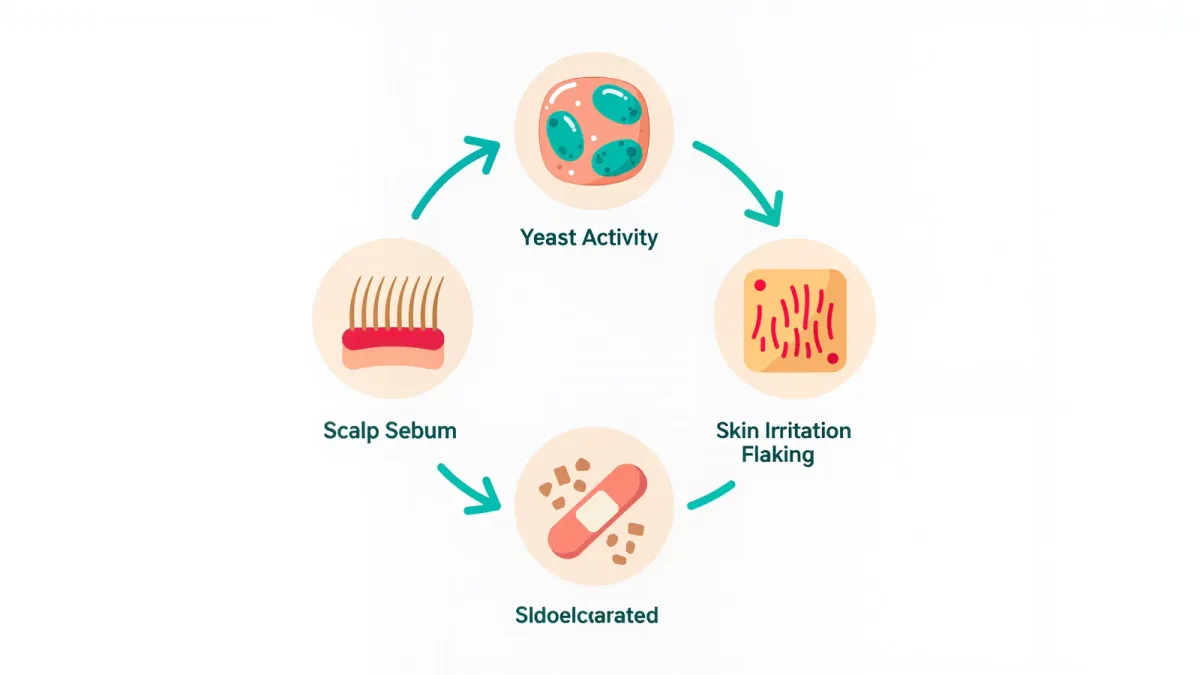
What Causes Dandruff and What Helps
A yeast called Malassezia, not dry skin, drives most dandruff — and antifungal shampoos with zinc pyrithione or ketoconazole have the strongest evidence.
Fitness
See all →
How Many Steps a Day Do You Actually Need? What the Research Says
The 10,000-step number isn't a scientific finding. Here's where the mortality research says the real benefit actually happens.
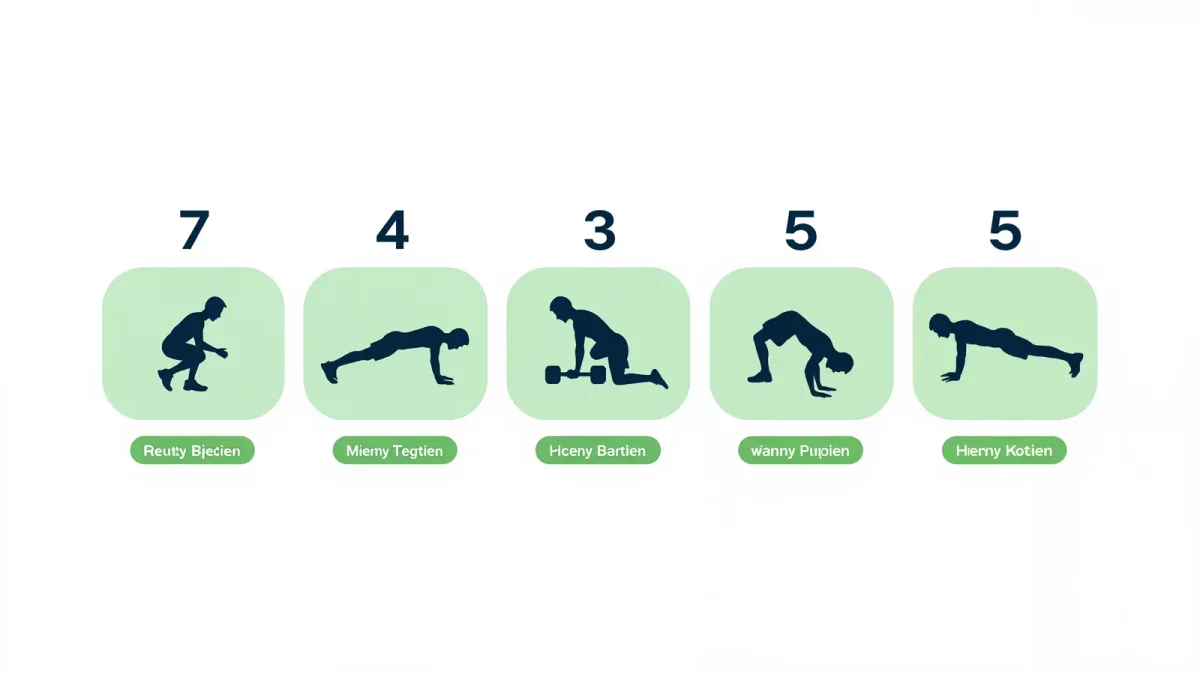
Home Workouts With No Equipment: A 20-Minute Plan That Works
Bodyweight training builds real strength — research comparing push-ups to bench press found similar gains — and a five-move circuit meets federal guidelines.

Cardio or Weights First? What the Research Says About Order
Do your priority first: a 2012 meta-analysis found running can blunt strength gains when done before lifting — cycling interferes less — and tired legs steal the workout.
Women
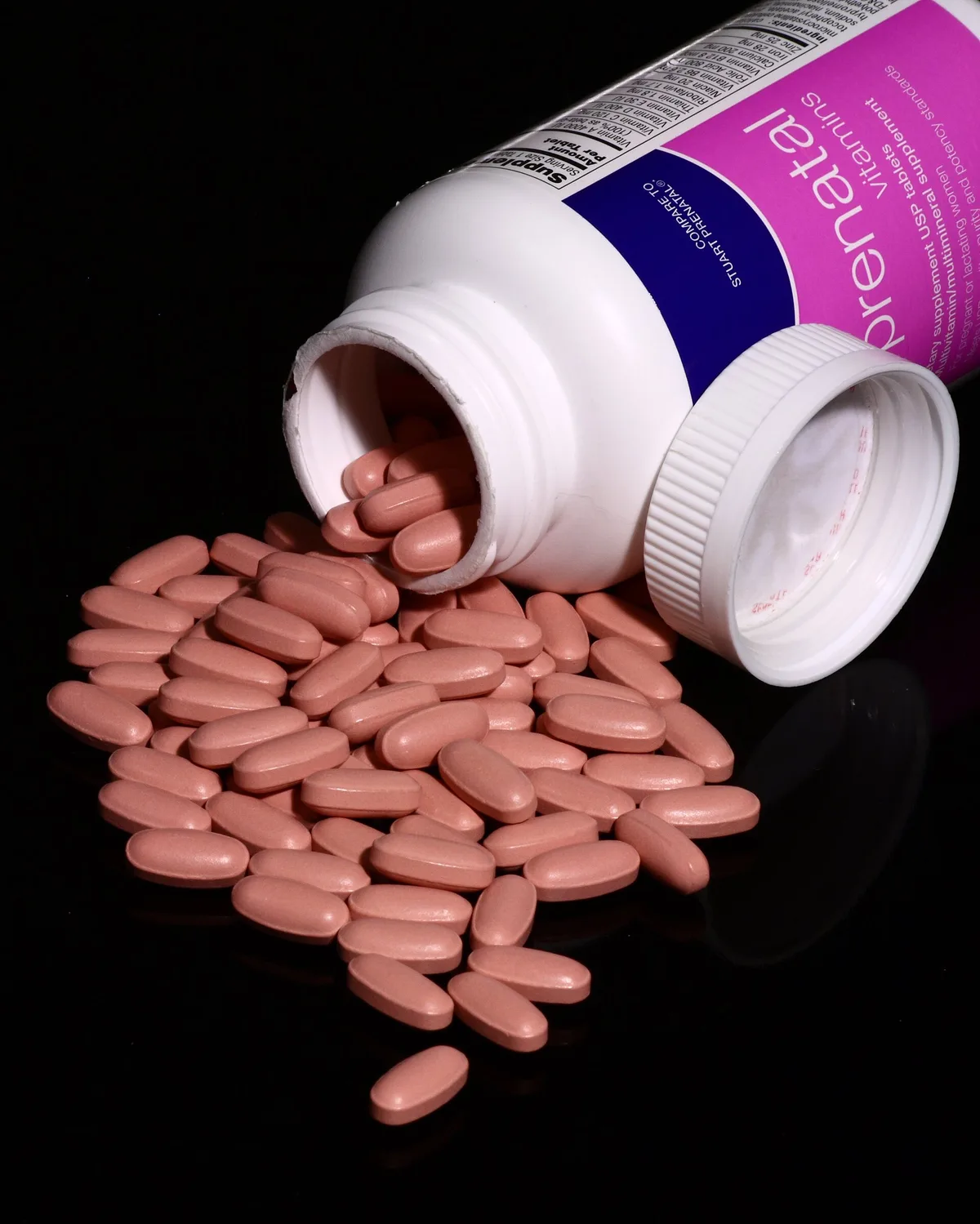
Prenatal Vitamins: What Matters and What Is Just Marketing
Per NIH, 400 mcg of folic acid daily is the core prenatal vitamin dose; ACOG lists iron, iodine, calcium, and vitamin D. Methylfolate premiums have the thinnest record.
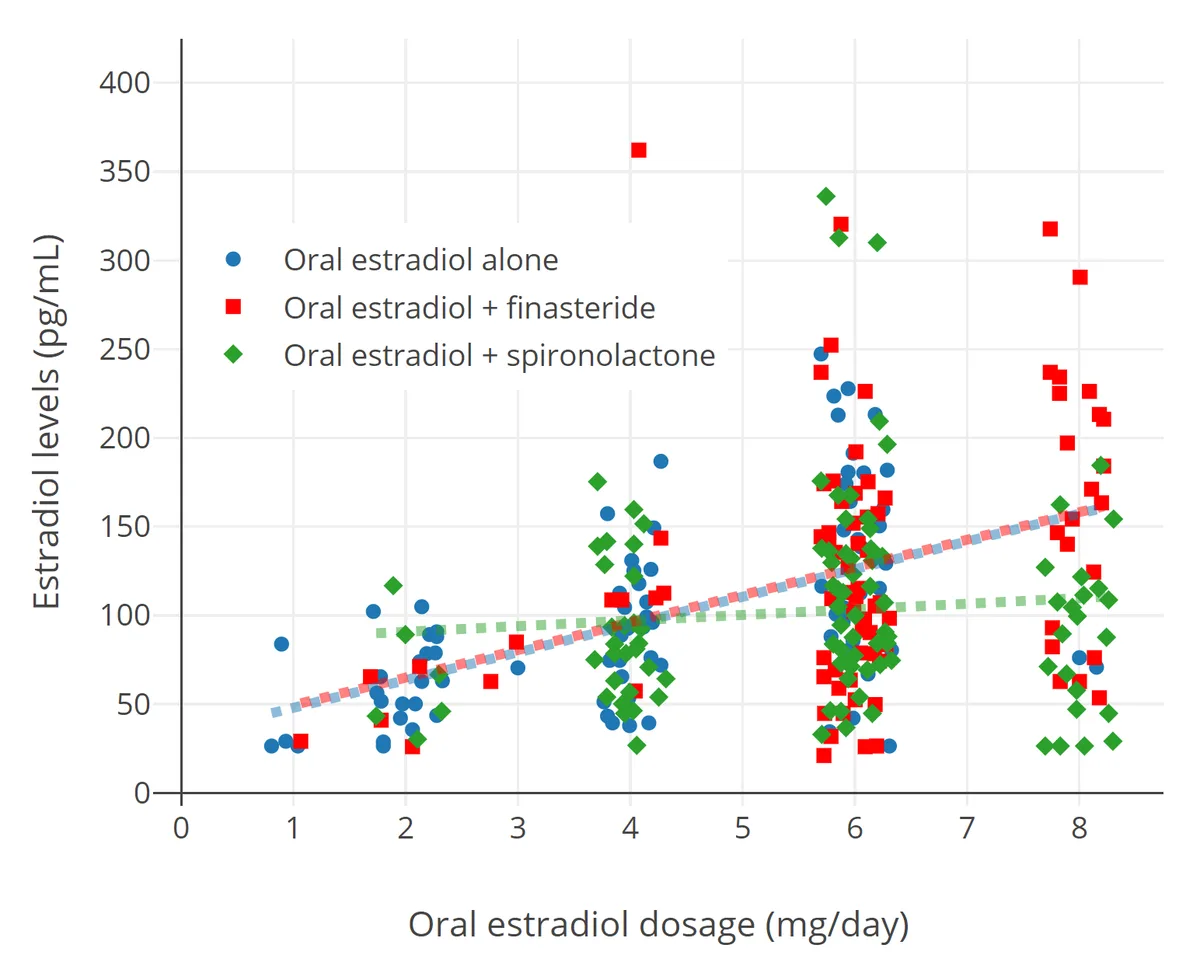
Hormone Health: Five Questions to Ask Your Doctor
A conversation-prep guide for your annual checkup, built around what hormones actually do and what testing can and cannot tell you.
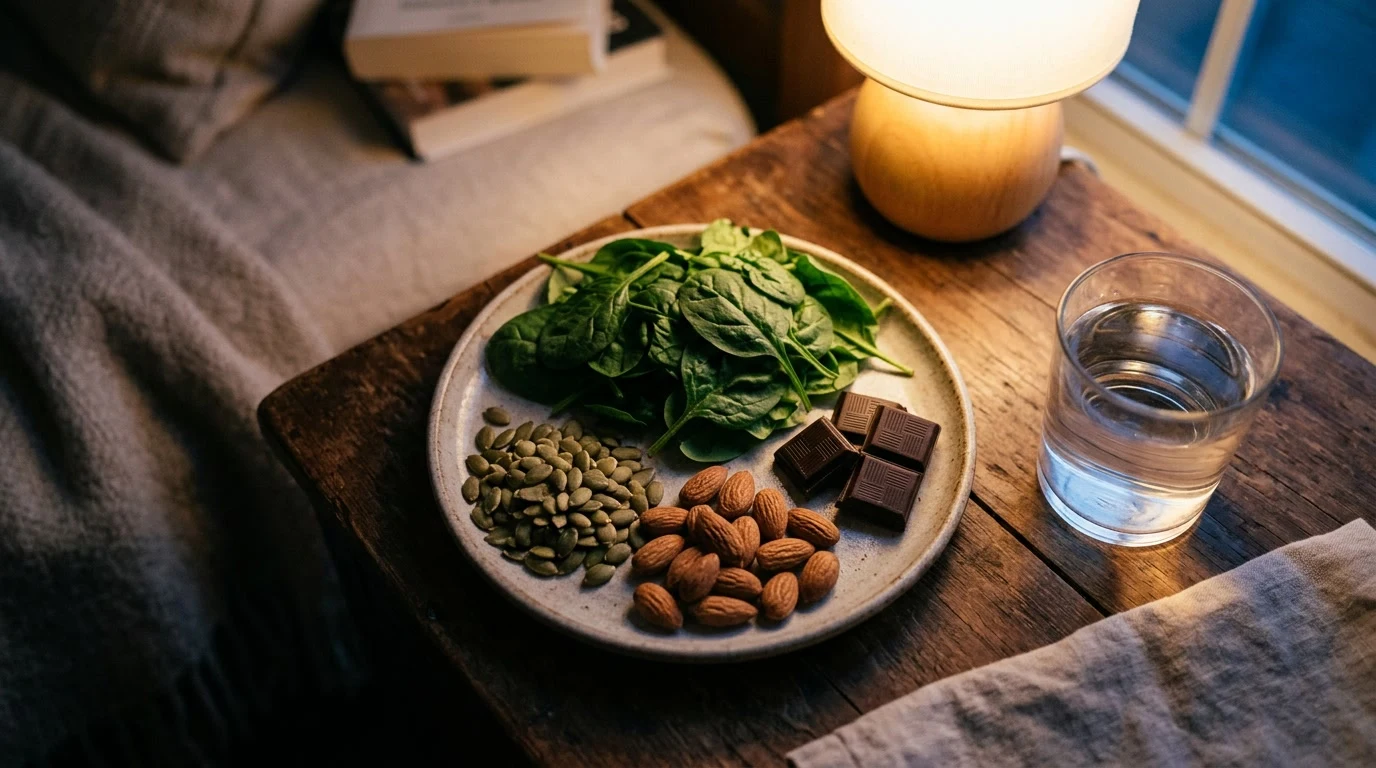
Does Magnesium Help You Sleep? What the Evidence Actually Says
Magnesium is a popular sleep supplement, but the research behind it is thinner than the marketing suggests. Here’s what’s actually been tested.
Wellness News

The FDA Revoked Red Dye No. 3. What Actually Changes at the Store
The January 2025 decision removes a coloring linked to cancer in rats — but the deadlines run to 2027, and most products will simply swap dyes.

Why Morning Sunlight Helps You Sleep Better at Night
Sleep researchers point to a specific mechanism: morning light shifts your internal clock earlier, while evening light shifts it later. Here's what the evidence actually shows.
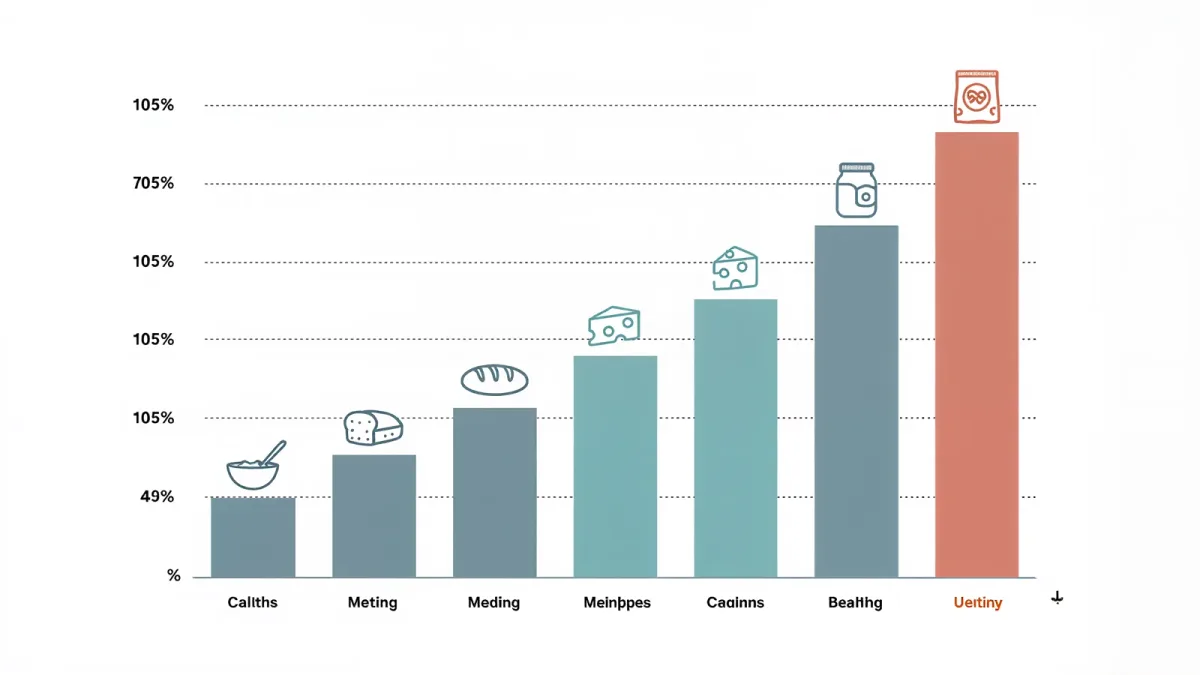
Study at NUTRITION 2026: Packaged Foods Show No Sodium Reduction Since FDA Goals
Research presented at the American Society for Nutrition's NUTRITION 2026 meeting found no evidence of sodium reduction in packaged foods since the FDA issued voluntary reduction goals in 2021.
Health News
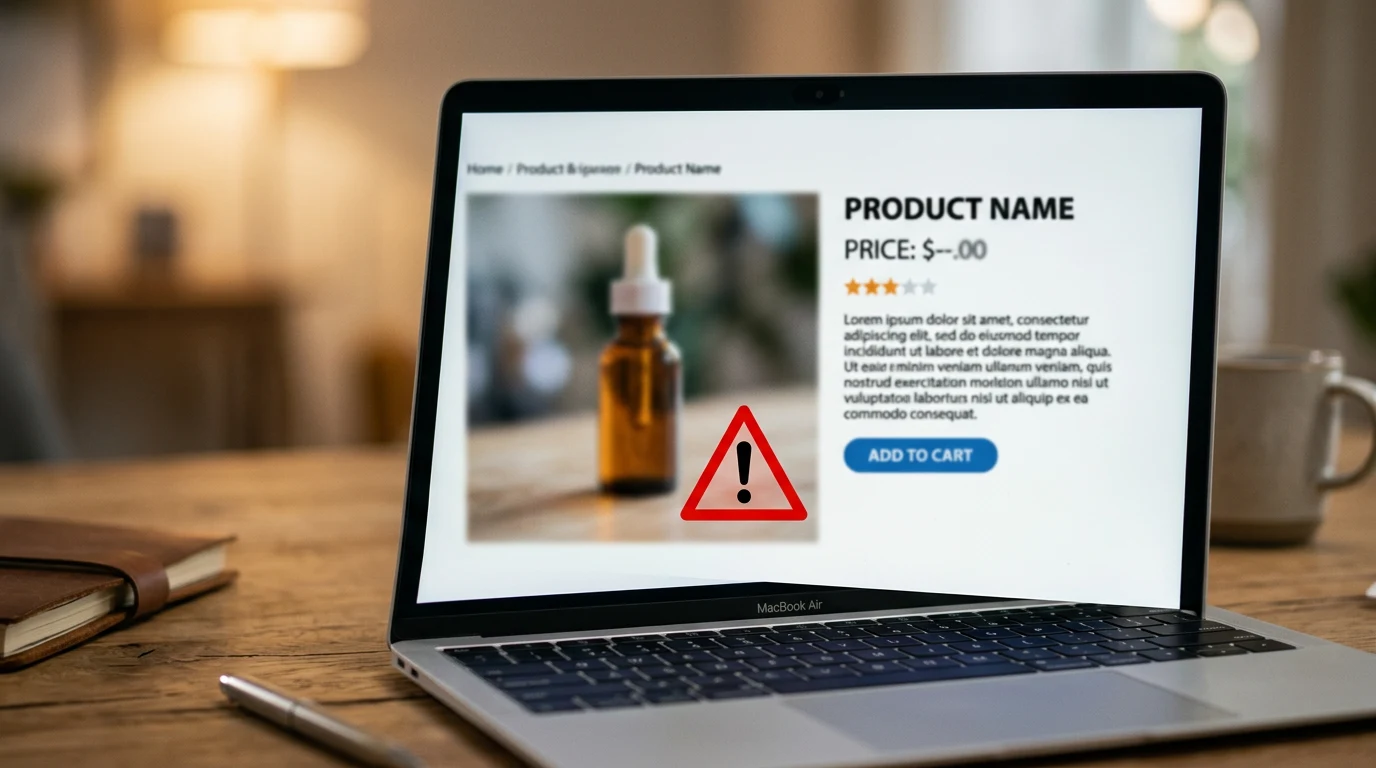
FDA Warns That Popular Tejocote Root Weight-Loss Supplements Contain a Toxic Plant Instead
More than 20 branded tejocote root products sold on Amazon, eBay, and retail sites contain yellow oleander, not the advertised root, the FDA says. Here's what changed and what to do if you have one.
DEA Moves to Temporarily Schedule 7-OH, Shaking Wellness Drinks
The temporary Schedule I listing of kratom-derived 7-hydroxymitragynine, announced July 1, 2026, forces the fast-growing 7-OH beverage and supplement niche to retool.

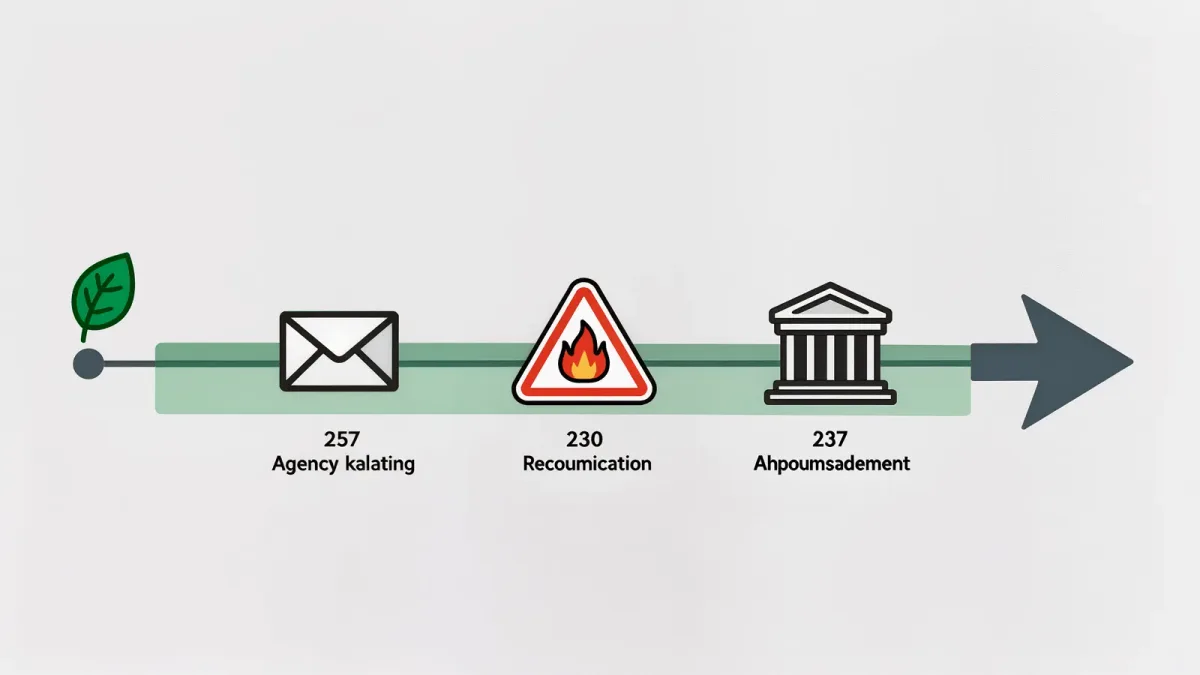
FTC Finalizes $4M Order Against Kids' Height Supplements
TruHeight's marketers must pay $750,000 of a $4 million judgment and stop unsubstantiated growth claims under a final FTC order approved July 15, 2026.
Latest
Prenatal Vitamins: What Matters and What Is Just Marketing
Per NIH, 400 mcg of folic acid daily is the core prenatal vitamin dose; ACOG lists iron, iodine, calcium, and vitamin D. Methylfolate premiums have the thinnest record.
What ACHS's Career Summit Signals About the Wellness Industry's Growing Job Pipeline
The online college's second annual event drew over 80 participants — a small number that points to a bigger shift in how wellness careers are being built.
Hormone Health: Five Questions to Ask Your Doctor
A conversation-prep guide for your annual checkup, built around what hormones actually do and what testing can and cannot tell you.
Reading Supplement Labels: Third-Party Seals Decoded
What USP and NSF marks actually verify, why proprietary blends hide the details, and how to decide whether a supplement is worth buying.