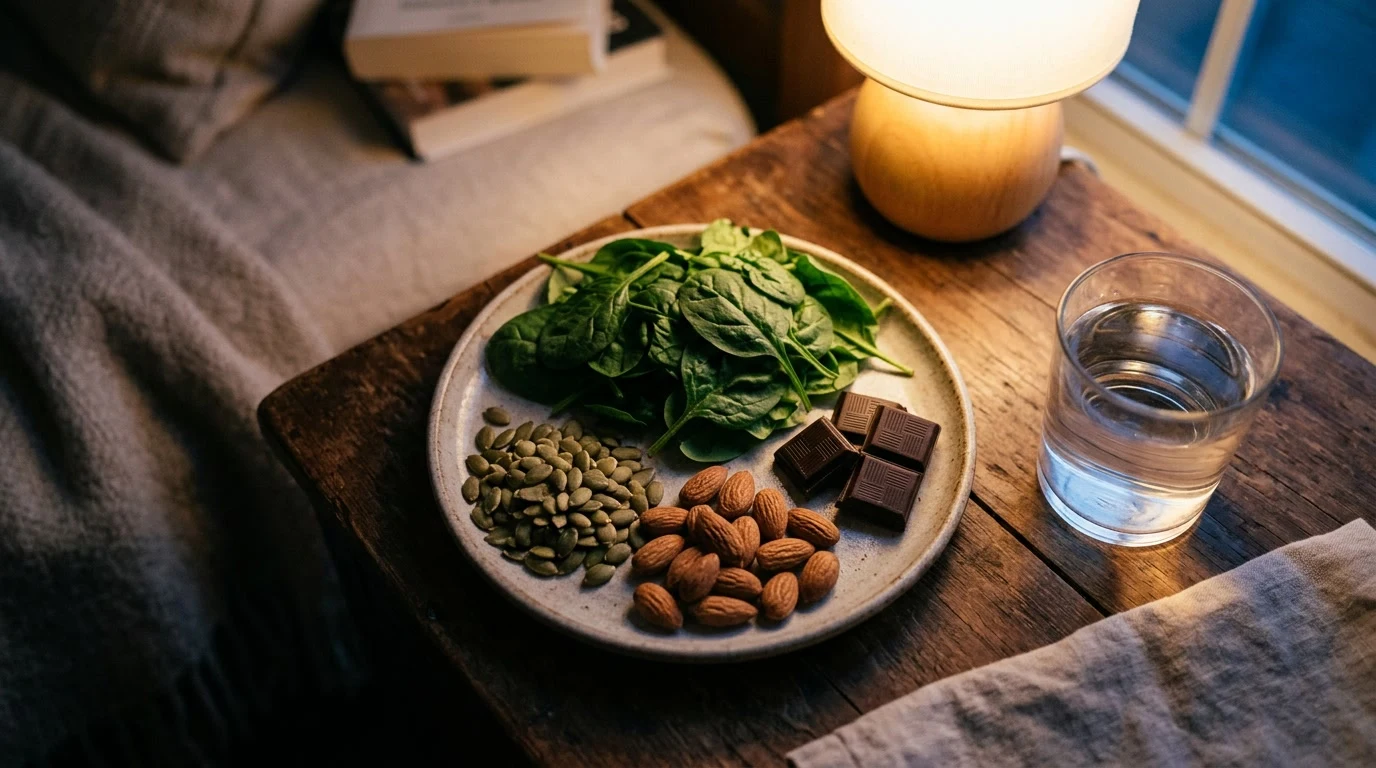
Does Magnesium Help You Sleep? What the Evidence Actually Says
Magnesium is a popular sleep supplement, but the research behind it is thinner than the marketing suggests. Here’s what’s actually been tested.
Common conditions and symptoms in plain language, including what usually causes them, what testing involves, and when to book an appointment.
Magnesium is a popular sleep supplement, but the research behind it is thinner than the marketing suggests. Here’s what’s actually been tested.
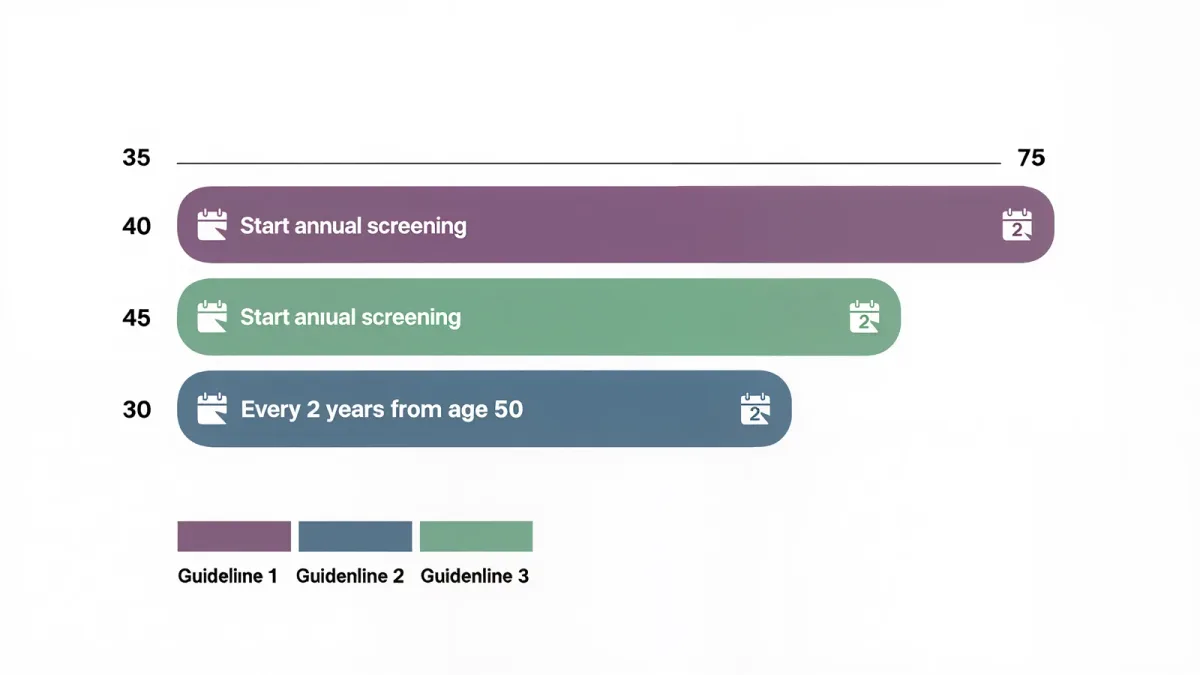
The USPSTF now recommends a mammogram every two years from age 40 to 74 for women at average risk — here is how that compares with the American Cancer Society schedule and how to decide for yourself.
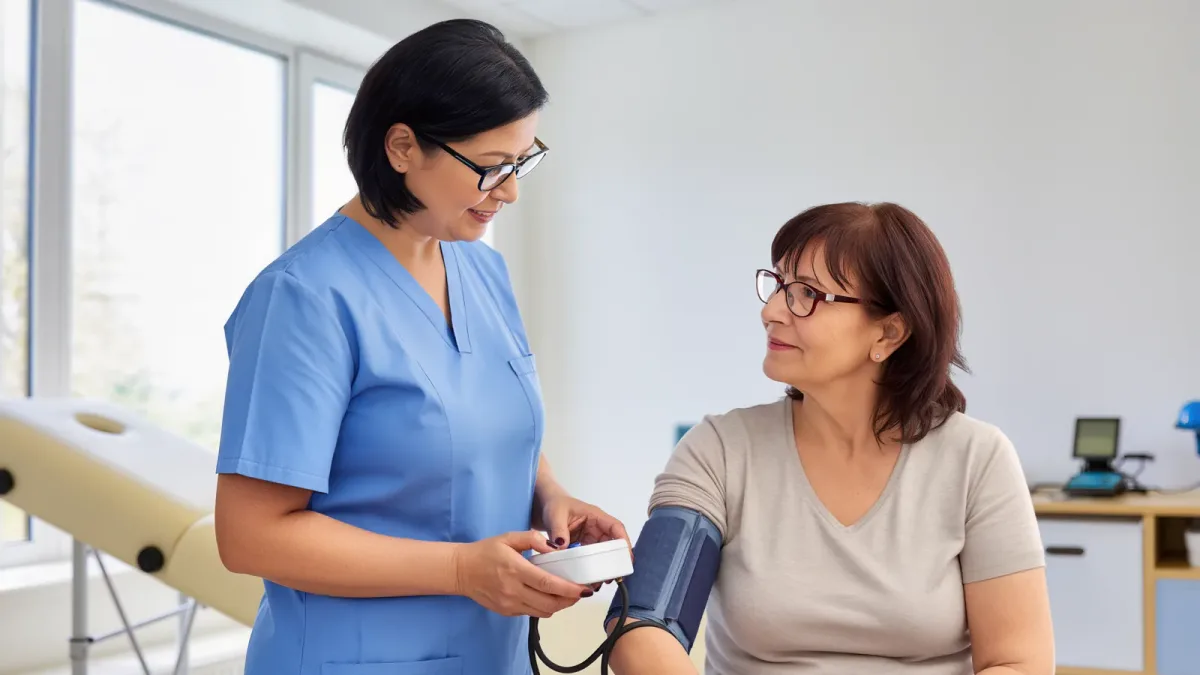
Normal is below 120/80, stage 1 hypertension starts at 130/80, and a reading above 180/120 is an emergency — here is how to read the cuff and the categories behind it.

Extra daily water, cranberry products, and postmenopausal vaginal estrogen have real trial evidence for preventing urinary tract infections — peeing after sex, surprisingly, does not.

Tiredness, aching bones and muscles, and catching every bug going around can point to low vitamin D — roughly one in four US adults has blood levels below 20 ng/mL, per CDC data.
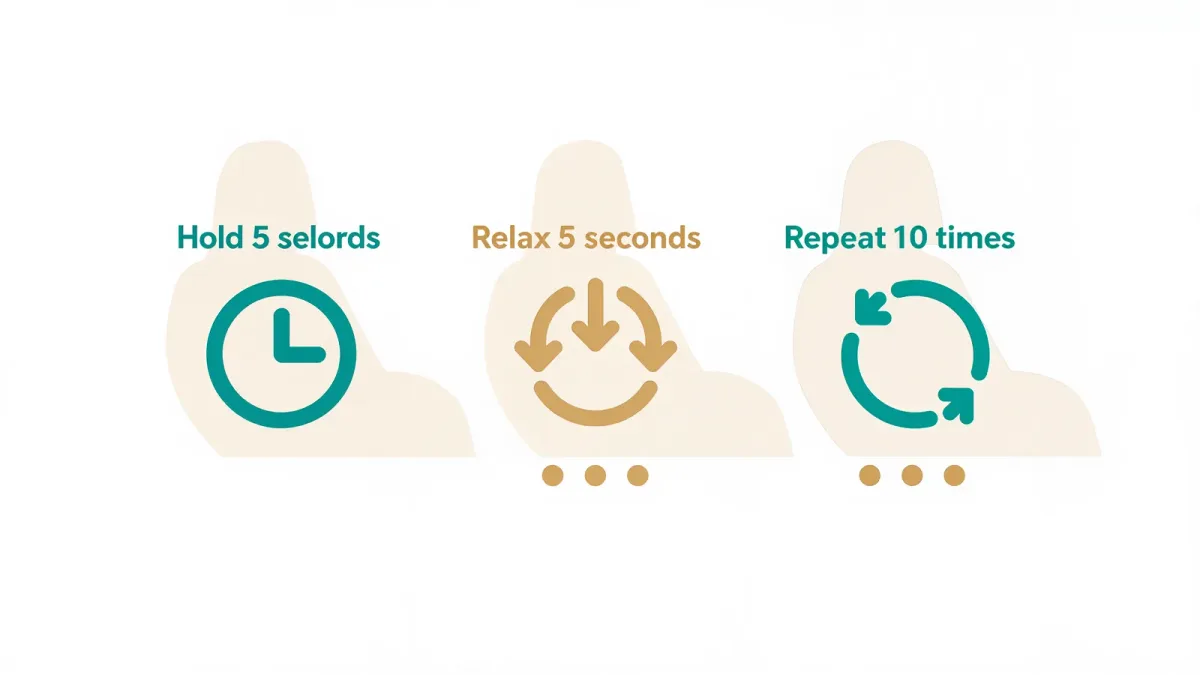
Supervised pelvic floor muscle training probably improves stress urinary incontinence, per a 2020 Cochrane review — but only if the exercises are done correctly, which is where most women go wrong.