
PMS vs. PMDD: How to Tell the Difference and Why It Matters
Premenstrual symptoms affect up to three in four women, but PMDD is a rarer, far more severe mood disorder — and the difference is proven with a two-cycle symptom diary.
Common conditions and symptoms in plain language, including what usually causes them, what testing involves, and when to book an appointment.
Premenstrual symptoms affect up to three in four women, but PMDD is a rarer, far more severe mood disorder — and the difference is proven with a two-cycle symptom diary.

TSH is usually the first and most sensitive thyroid test — here is what the reference ranges mean, why a single result rarely tells the whole story, and when to repeat it.
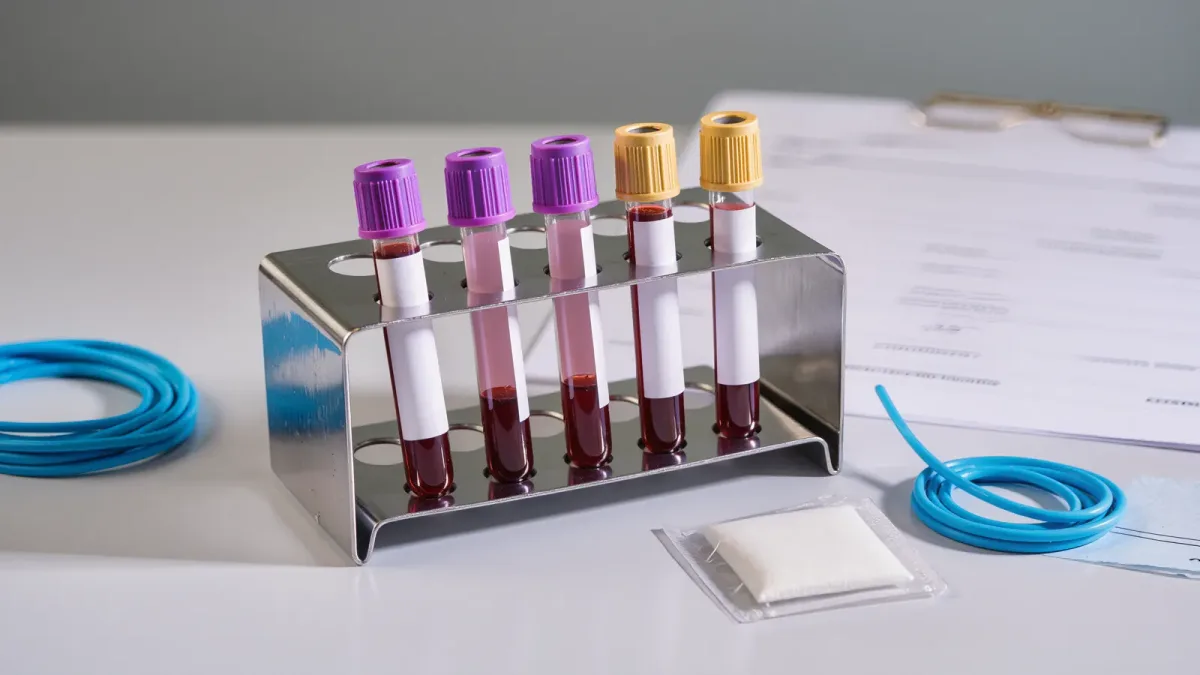
When exhaustion survives a full night's sleep and a quiet weekend, the usual suspects are low iron, thyroid problems, poor sleep quality, and depression — and blood tests can narrow it down fast.
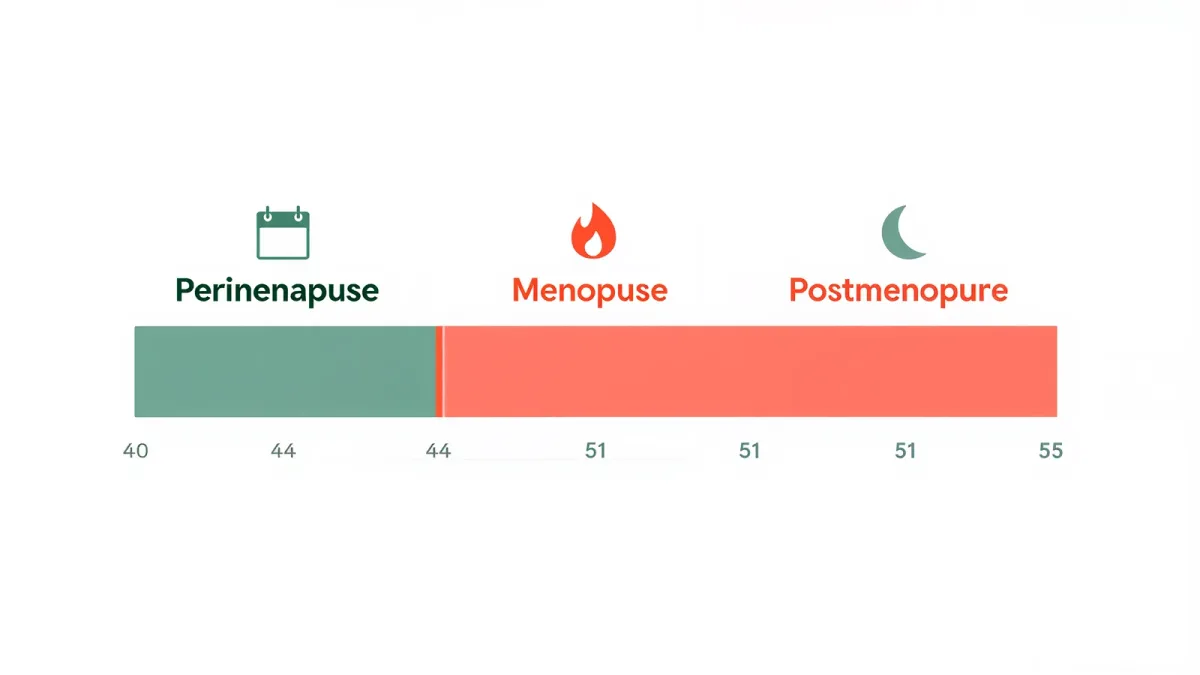
Irregular periods, hot flashes, and 3 a.m. wake-ups usually start in the mid-40s — here is how long perimenopause lasts and which symptoms deserve a clinician's attention.

Persistent tiredness, pale skin, and odd cravings like ice can point to low iron — but a simple blood test is the only way to know for sure.