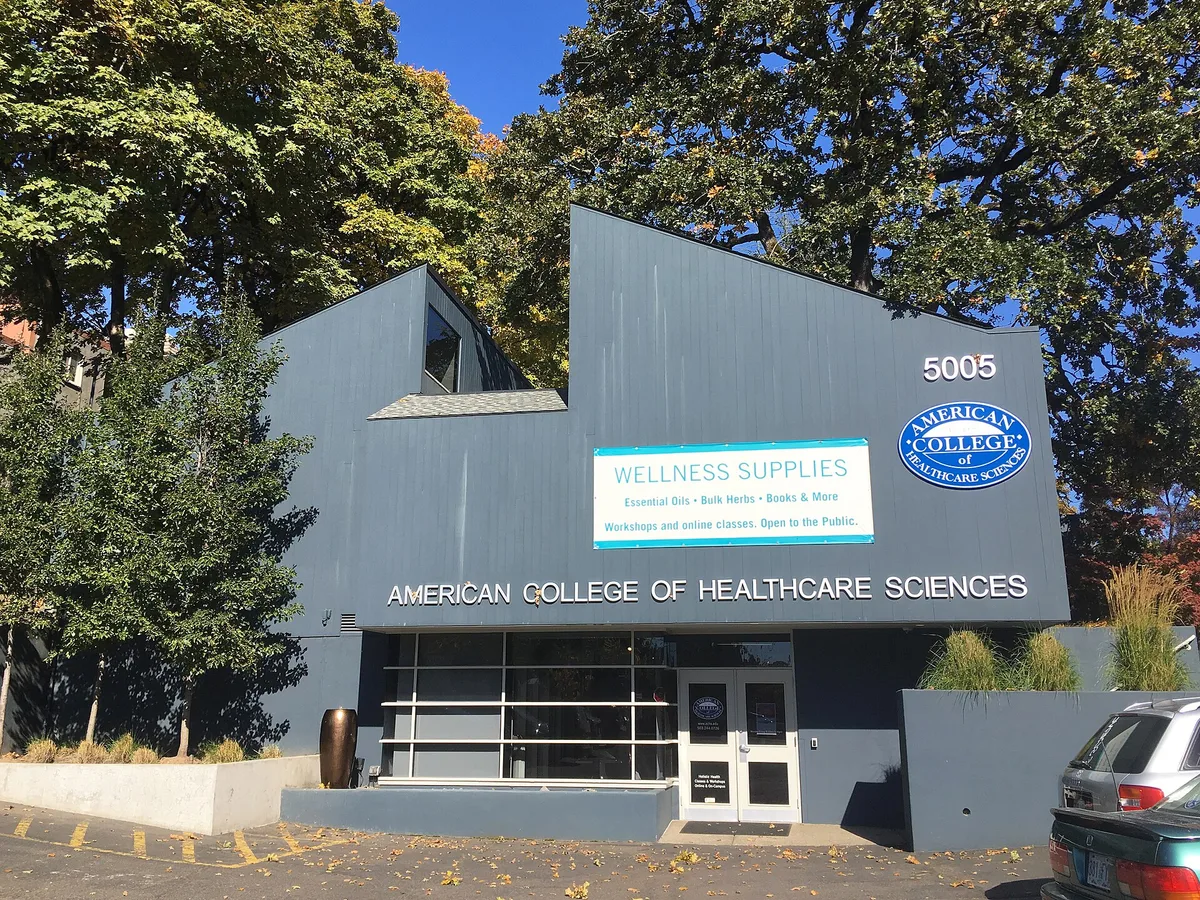
What ACHS's Career Summit Signals About the Wellness Industry's Growing Job Pipeline
The online college's second annual event drew over 80 participants — a small number that points to a bigger shift in how wellness careers are being built.
Nutrition explains what to eat and why, from daily protein and fiber targets through to the difference between processing levels printed on a label. Supplement claims are checked against trial evidence before being repeated. Written for shoppers and home cooks who want guidance sturdy enough to plan a week around.
Nutrition coverage from Health and Beauty Top.
The online college's second annual event drew over 80 participants — a small number that points to a bigger shift in how wellness careers are being built.
What USP and NSF marks actually verify, why proprietary blends hide the details, and how to decide whether a supplement is worth buying.

The official minimum is smaller than most people guess — and the research supports more than the minimum if you train, or if you're over 65.
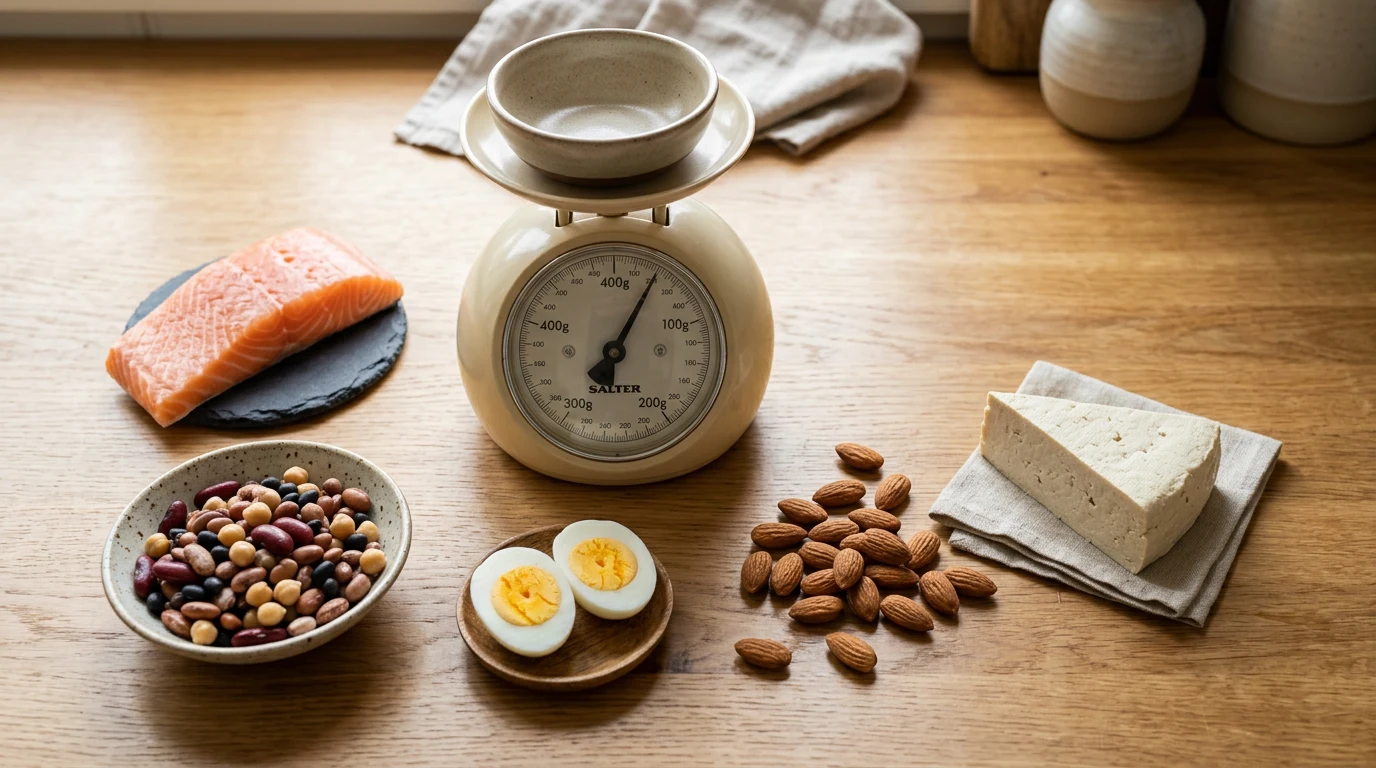
The government's protein number is easy to find and easy to misread. Here's what the official RDA actually covers, where the acceptable range goes much higher, and what the evidence does not settle.
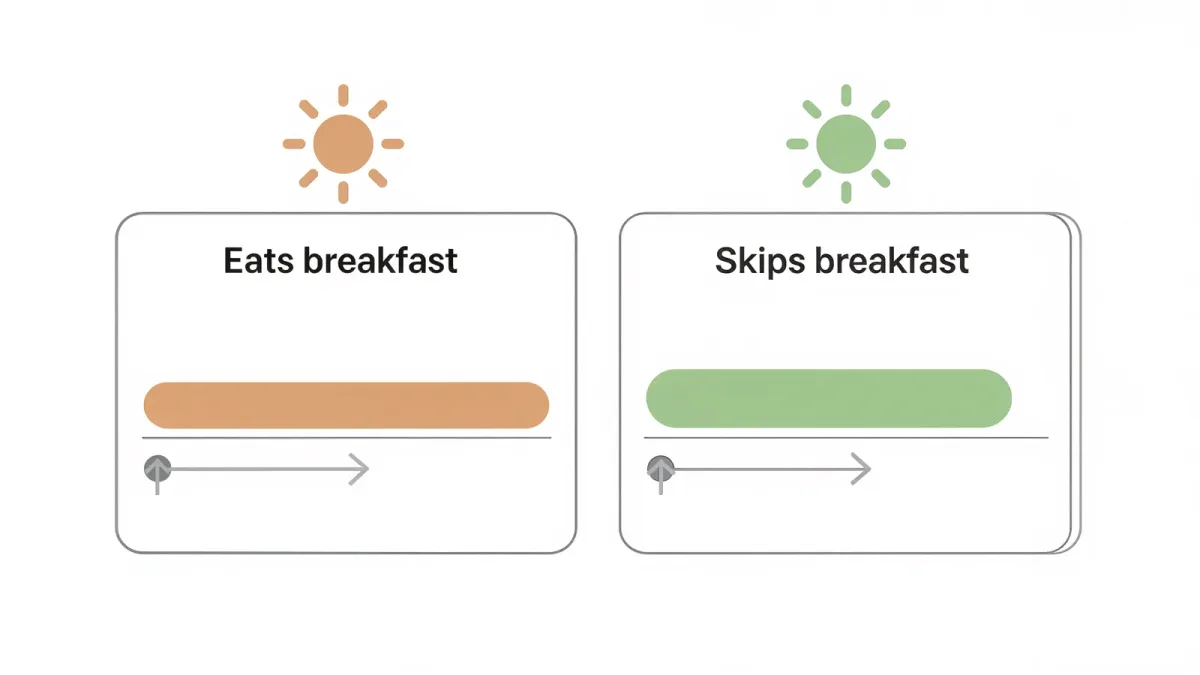
The claim came from observational studies and cereal marketing; a 2019 BMJ meta-analysis of randomized trials found no weight benefit, and no trial has crowned any meal most important.

For most people, no: a Cochrane review found regular vitamin C does not reduce how often you catch colds, though it modestly shortens them.