
How Many Steps a Day Do You Actually Need? What the Research Says
The 10,000-step number isn't a scientific finding. Here's where the mortality research says the real benefit actually happens.
Written by Renata SilvaFitness is written for adults beginning or resuming exercise rather than for competitive athletes. Guides cover training frequency, what progress looks like month by month, walking as legitimate exercise, and adjusting around joint pain or long layoffs. Timelines quoted here are the ones research actually supports.
Fitness coverage from Health and Beauty Top.

The 10,000-step number isn't a scientific finding. Here's where the mortality research says the real benefit actually happens.
Written by Renata Silva
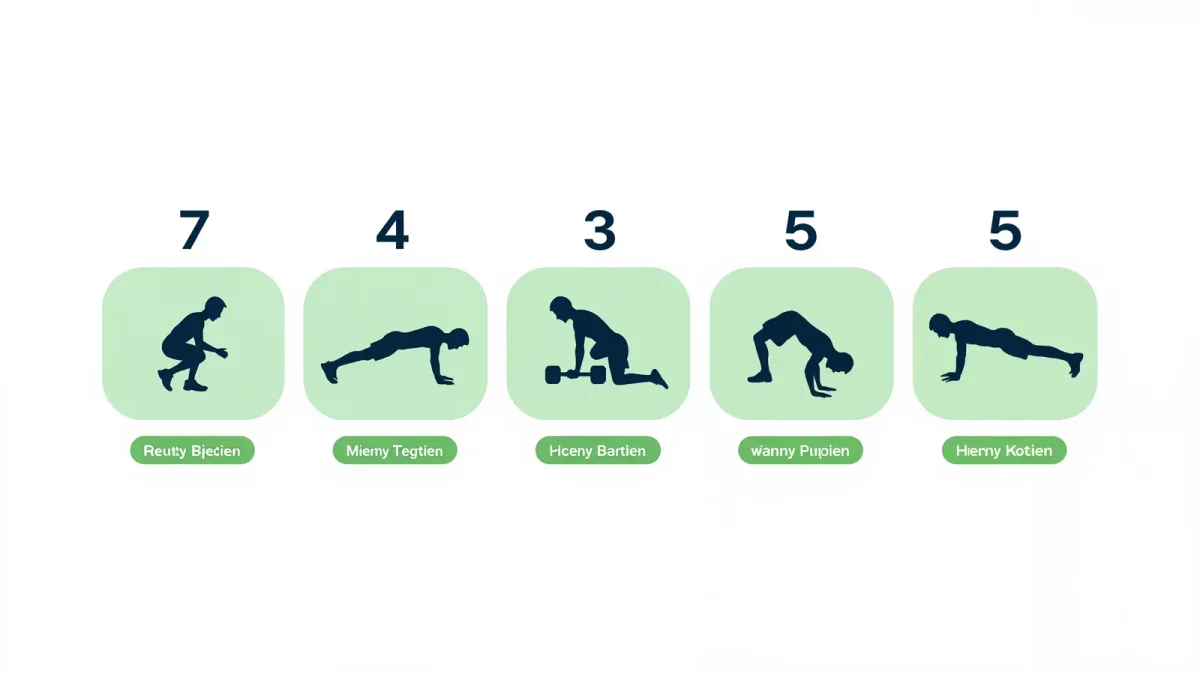
Bodyweight training builds real strength — research comparing push-ups to bench press found similar gains — and a five-move circuit meets federal guidelines.

Written by Renata Silva
Do your priority first: a 2012 meta-analysis found running can blunt strength gains when done before lifting — cycling interferes less — and tired legs steal the workout.

Written by Renata Silva
For most people one to three rest days a week is right — with 48 hours before training the same muscles hard again, and light movement beats total rest.
Written by Renata Silva
Long static stretches before training measurably reduce strength — research favors a short dynamic warm-up instead, with static stretching saved for after.
Written by Renata Silva
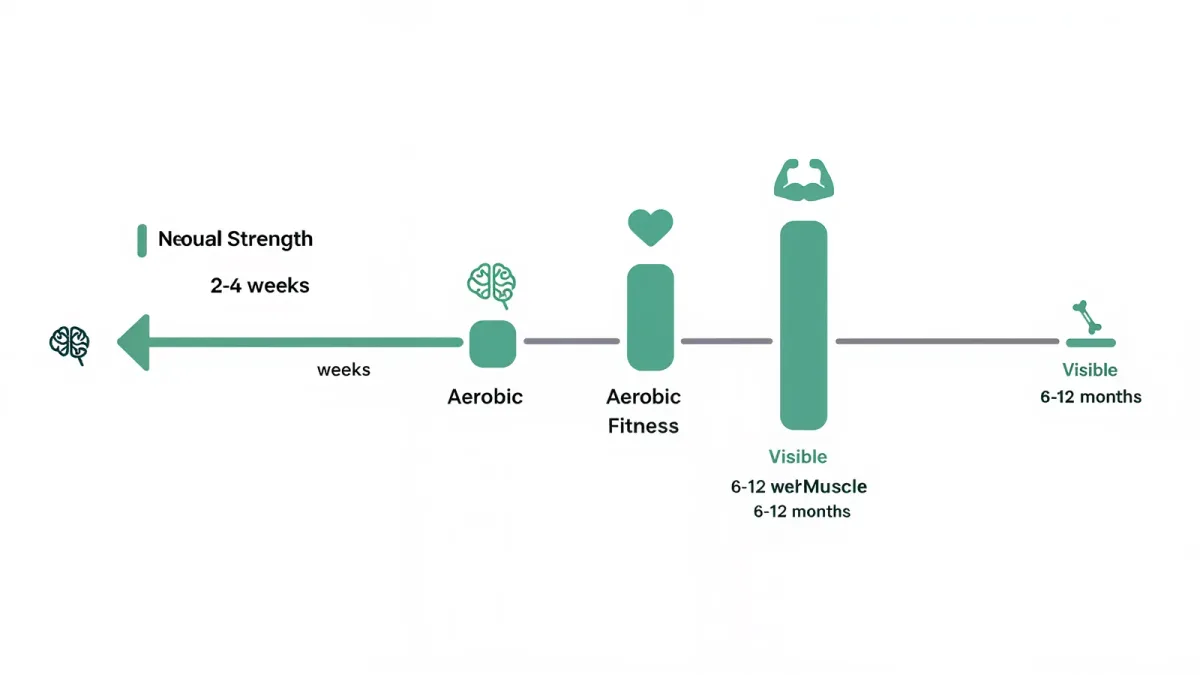
Your body adapts on a schedule: measurable fitness in 2-4 weeks, visible muscle in 6-12, bone changes over months — here is what changes when.
Written by Renata Silva
Guidelines name exercise a first-line treatment for knee osteoarthritis — the keys are low-impact loading, quadriceps strength, and knowing the red flags.
Written by Renata Silva
Research points to two or three strength sessions a week for most people — with at least 48 hours before hitting the same muscles again.
Written by Renata Silva
A meta-analysis says brisk walking rivals running for heart health when the effort is matched — the real trade-offs are time and injury risk.
Written by Renata Silva
Research shows muscle responds to resistance training well past 40 — here is how to train, how often, and what gains to realistically expect.
Written by Renata Silva