A third-party seal on a supplement label means an independent organization — not the company selling the product — checked that the bottle contains what the label says it contains. The two marks you will see most often in the United States are from USP and NSF. Neither seal certifies that the supplement works, and neither replaces advice from your own clinician.
That distinction matters. Dietary supplements are regulated differently from prescription drugs, so a seal is best read as a statement about identity and quality, not about benefit. This guide explains what each mark verifies, what a proprietary blend hides, and a short checklist for deciding whether a product deserves a place in your cabinet.
Reading any label is, at its core, an exercise in interpreting symbols and printed claims. As Wikipedia's overview of reading notes, interpreting visual notations — including hazard symbols and other pictograms — is a form of reading in its own right, distinct from ordinary prose. Supplement seals work the same way: the mark is a shorthand, and the skill is knowing what the shorthand stands for.
What does the USP mark actually verify?
The USP Verified Mark comes from the United States Pharmacopeia, a nonprofit that sets public quality standards for medicines and supplements. When a product carries the mark, it means USP's program has tested that the bottle contains the ingredients listed, at the stated amounts, without harmful levels of contaminants, and that the maker follows good manufacturing practices.
What the mark does not tell you is whether the ingredient helps with your goal. USP verifies quality against a label and a standard. Whether a multivitamin, a protein powder, or any other product is useful for you is a separate question — and one where the evidence is often weaker than the marketing suggests. Our earlier look at what the evidence says about multivitamins is a good example of that gap. For related coverage, see Do Multivitamins Actually Work? What the Evidence Says.
How is the NSF mark different?
NSF International, an independent testing organization, runs several certification programs relevant to supplements. Its general dietary supplement certification covers similar ground to USP's: identity, contents, and contaminant screening. NSF also operates a program aimed at products used by athletes, which screens for substances that sports organizations ban.
If you are a competitive athlete subject to drug testing, that athlete-focused mark is the one to look for, because it specifically addresses banned-substance screening. For everyone else, either organization's general certification addresses the same core worry: that the bottle matches the label. Both programs are voluntary, so a product without a seal is not automatically poor quality — but you have no third party's word on it either.
What is a proprietary blend, and why does it matter?
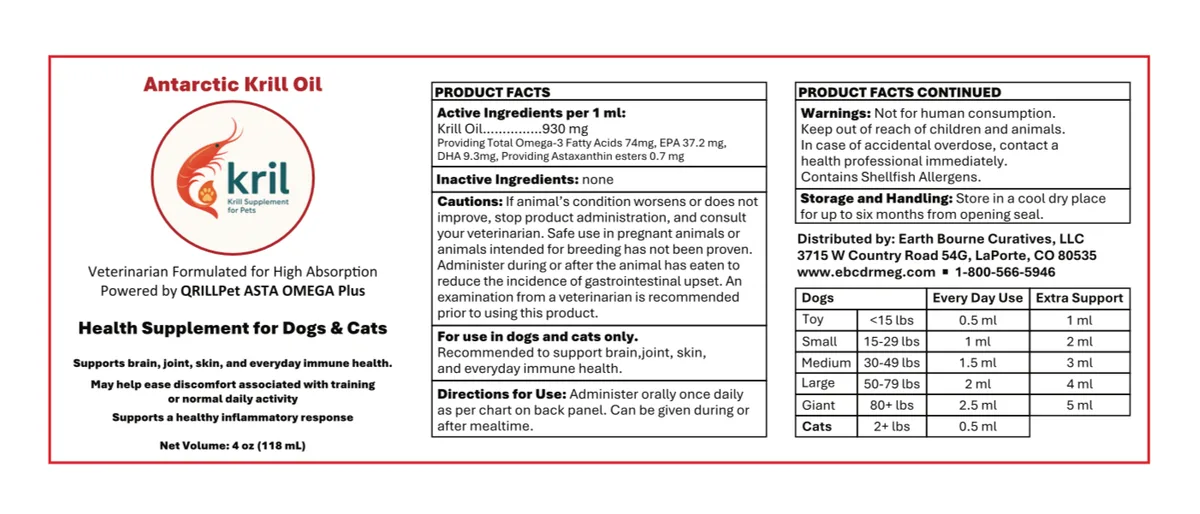
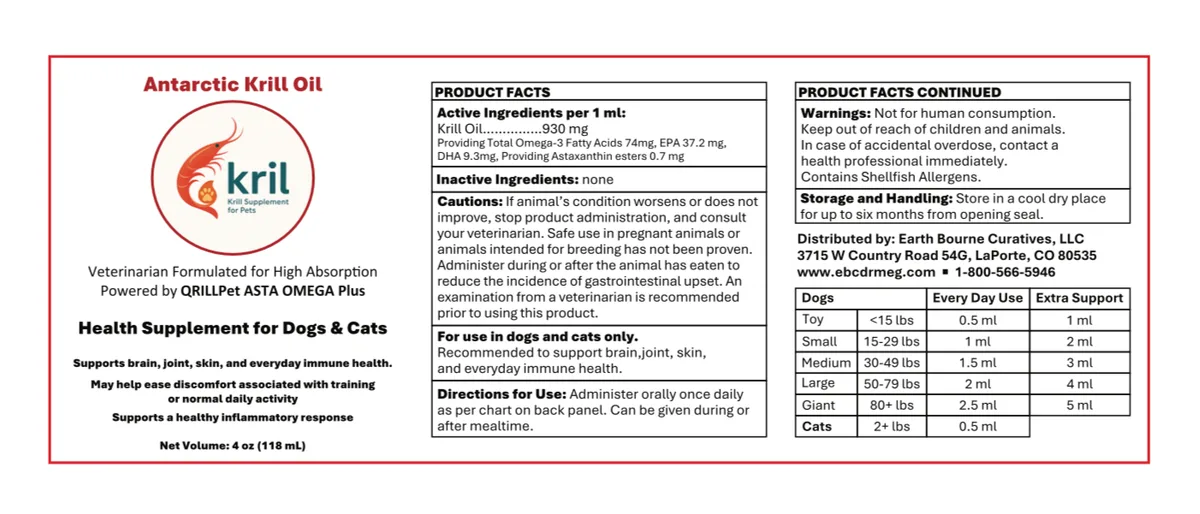
A proprietary blend is a list of ingredients grouped under one total weight, without the amount of each ingredient shown. You might see "Energy Blend — 1,200 mg" followed by a dozen ingredient names. The label does not tell you how much of that 1,200 mg is any single ingredient. We covered a connected angle in How Much Protein Do You Actually Need? What the Research Says.
Why this matters: an ingredient can appear on the label in a token amount — small enough to be listed, too small to match the amounts used in research. Because the blend's components are not itemized, you cannot tell whether the ingredient you are paying for is present at a meaningful dose. When you compare two products, a fully itemized label gives you far more usable information than a blend does. This is one of the clearest cases where the label's structure, not just its claims, should shape your decision.
What should you check on a supplement label, step by step?
Our analysis of label structure suggests a short, repeatable sequence. It takes under a minute once you have done it a few times.
- Find the serving size. All the amounts on the panel refer to one serving, which may be one, two, or more capsules or scoops.
- Look for a third-party seal. Check for a USP or NSF mark near the front label or the supplement facts panel.
- Scan for proprietary blends. If ingredients are grouped under one weight with no per-ingredient amounts, treat the product as harder to evaluate.
- Read the ingredient list, not just the front. Front-of-box language — "immune support," "energy" — is marketing. The facts panel and ingredient list are where the substance lives.
- Check the warnings and directions. Note anything about existing conditions, medications, or pregnancy, and flag it for your clinician.
One warm note from experience: bring the actual bottle, or a photo of the panel, to your next appointment. It turns a vague "should I take this?" into a concrete question your clinician can answer in a minute.
When is a supplement worth buying?
A supplement is most defensible when three things line up. First, you have a recognized reason — a clinician has identified a gap, or your diet genuinely excludes a nutrient, as can happen with restrictive eating patterns. Second, the label is transparent: itemized amounts, a clear serving size, no blend hiding the details. Third, a third-party seal or equivalent verification is present, so quality is not a guess.
Price is a legitimate signal too, but in the opposite direction from what marketing implies. A higher price does not indicate higher quality; a seal does more work than a premium. And a product is not worth buying merely because it appears alongside credible coverage — for instance, our guides on daily protein needs and plant protein versus whey discuss nutrients on their evidence, not on any product's behalf.
If you take prescription medications, are pregnant or trying to become pregnant, or manage a chronic condition, ask your doctor one specific question before buying: "Does this ingredient or dose interact with anything I take or any condition I have?" That single question catches most of the risk a label cannot.
The bottom line
Third-party seals from USP and NSF tell you a product's contents were independently checked against its label — a genuine quality signal. They do not tell you the supplement will help you. Read the serving size, avoid proprietary blends when an itemized alternative exists, and treat front-label claims as advertising. And because this site publishes information, not medical advice, run any new supplement past your clinician — especially if you take medications or have a health condition. For more evidence-led nutrition coverage, see our nutrition section.