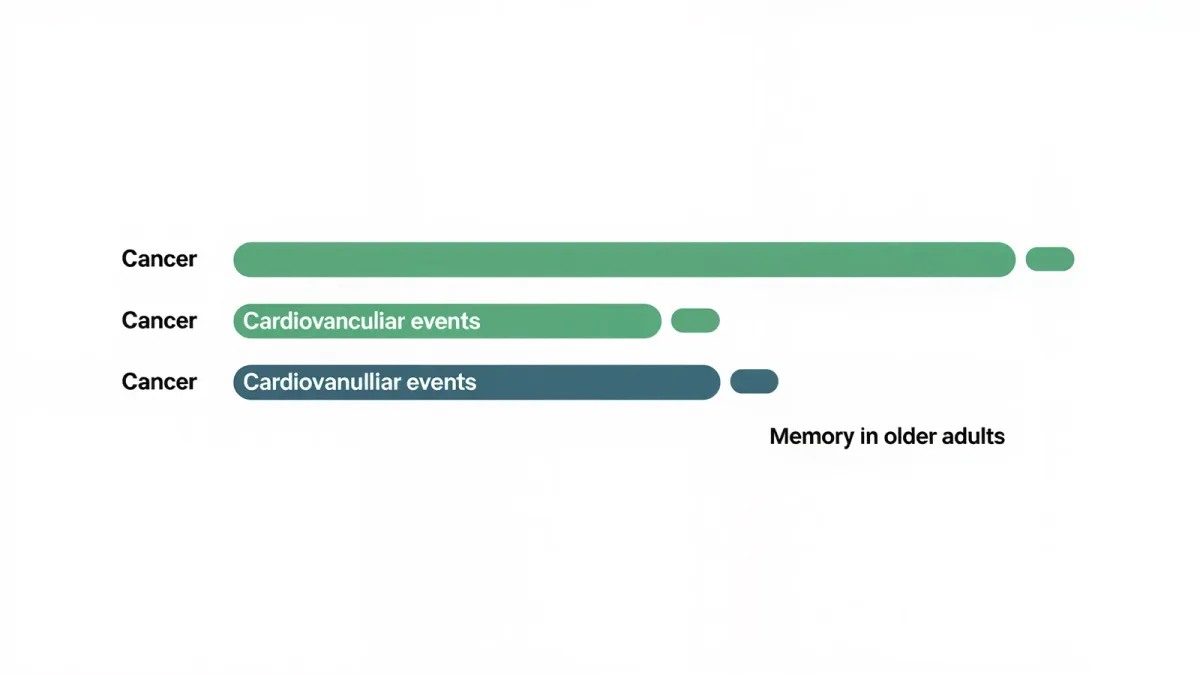
For healthy, well-nourished adults, the honest answer is: multivitamins have shown little consistent benefit in large randomized trials, with a possible modest reduction in cancer risk in one major study and early hints of a memory benefit in older adults. The US Preventive Services Task Force concluded in 2022 that the current evidence is insufficient to assess the balance of benefits and harms of multivitamin supplements for preventing cardiovascular disease or cancer in healthy, non-pregnant adults. Meanwhile, roughly one in three American adults takes a multivitamin, per usage data cited by the NIH Office of Dietary Supplements, so the question is worth answering carefully.
If you are pregnant, managing a chronic condition, or taking prescription medications, a multivitamin is a decision to make with your clinician, not a default purchase.
What are multivitamins supposed to do?
A multivitamin is a single product combining most essential vitamins and minerals, typically at doses near the Daily Value printed on the label, per the NIH Office of Dietary Supplements. The sales pitch is insurance: if your diet has gaps, the pill fills them. The logic sounds reasonable, and in one narrow sense it can hold up, because a daily multivitamin does reliably raise blood levels of several nutrients. The harder question, and the one trials actually test, is whether that translates into fewer diseases or a longer life.
What do large trials show about heart disease and cancer?
The biggest single trial is the Physicians' Health Study II, a randomized placebo-controlled trial in nearly 15,000 male physicians followed for an average of about 11 years, reported in JAMA in 2012. The result: a daily multivitamin produced an 8 percent reduction in total cancer incidence compared with placebo, a finding the authors themselves described as modest. The same trial found no reduction in major cardiovascular events, per its 2012 JAMA cardiovascular report.
The flip side matters too. The US Preventive Services Task Force's 2022 review, published in JAMA, found insufficient evidence that multivitamins prevent cardiovascular disease or cancer, and it specifically recommended against beta-carotene or vitamin E supplements for that purpose. Earlier trials are the reason for that caution: the ATBC trial in Finland, reported in the New England Journal of Medicine in 1994, and the CARET trial, reported in 1996, both found that high-dose beta-carotene supplements increased lung cancer rates among smokers.
Do multivitamins help memory or other specific concerns?
This is where the newest evidence lives, and it is genuinely interesting but early. In the COSMOS-Mind trial, published in Alzheimer's & Dementia in 2022, about 2,260 adults aged 65 and older took a daily cocoa extract, a daily multivitamin, both, or placebos for three years; the multivitamin group showed a statistically significant benefit in global cognition compared with placebo, while the cocoa extract did nothing. A companion analysis published in the American Journal of Clinical Nutrition in 2023 reported a similar memory benefit with in-person testing. The researchers themselves called for confirmation in more diverse populations, and none of these trials showed that multivitamins prevent dementia.
For most named concerns, the evidence is thinner still. Per the NIH Office of Dietary Supplements, multivitamins have not been shown to raise energy levels, prevent colds, or improve hair and nails in people who are not deficient, and claims along those lines generally go beyond the data.
Can a multivitamin replace eating well?
No, and this is the clearest finding of all. Per the NIH Office of Dietary Supplements, foods supply fiber, plant compounds, and nutrient combinations that pills cannot replicate, and most American adults can meet their vitamin and mineral needs through diet alone. Trials of single antioxidant vitamins reinforce the point: vitamin E showed no cardiovascular benefit in the Physicians' Health Study II, and a 2011 JAMA analysis of the SELECT trial found vitamin E supplements actually increased prostate cancer risk among the men taking them.
Are multivitamins safe?
For most healthy adults, a standard once-daily multivitamin within label doses is low risk, per the NIH Office of Dietary Supplements, which notes that serious toxicity usually involves individual high-dose supplements rather than balanced multivitamins. The cautions worth knowing:
- Smokers and former smokers should avoid high-dose beta-carotene, which increased lung cancer in the ATBC and CARET trials reported in 1994 and 1996.
- Iron matters for people who menstruate or are pregnant, but per the NIH Office of Dietary Supplements, men and postmenopausal women generally should avoid multivitamins with iron unless a clinician identifies a deficiency, because excess iron simply accumulates.
- Vitamin A in retinol form has an established tolerable upper intake level of 3,000 micrograms per day set by the Institute of Medicine in 2001, and chronic intakes above it have been linked to liver problems and, in pregnancy, birth defects.
If you take regular medications, check interactions with a clinician or pharmacist before starting, since vitamin K, for example, affects warfarin dosing.
So should you take one?
A few populations have clear, evidence-based needs where a supplement, prescribed or advised by a clinician, fills a documented gap: folic acid for people who may become pregnant, vitamin B12 for people over 50 or those eating vegan diets, and vitamin D for people with limited sun exposure or absorption problems, per the NIH Office of Dietary Supplements and the CDC. A general multivitamin is a reasonable personal choice for someone whose diet is genuinely poor, but it is not proven to prevent disease in healthy adults, and it does not offset a diet heavy in processed food.
The bottom line
Large randomized trials have found, at most, modest benefits: an 8 percent lower cancer incidence in the Physicians' Health Study II reported in JAMA in 2012, and a memory signal in the COSMOS-Mind trial published in Alzheimer's & Dementia in 2022 that the researchers themselves want confirmed. The US Preventive Services Task Force said in 2022 that evidence remains insufficient to recommend multivitamins for preventing heart disease or cancer, and high-dose beta-carotene is a documented harm for smokers. If your diet is varied and includes vegetables, fruits, whole grains, and protein sources, your next sensible step is probably food, not a pill; if you suspect a gap, ask a clinician for a targeted blood test before buying anything.