
The Mediterranean diet has stronger trial evidence behind it than any other eating pattern in nutrition: in the PREDIMED trial, a Spanish randomized study of nearly 7,500 adults at high cardiovascular risk published in the New England Journal of Medicine in 2013, people following a Mediterranean diet supplemented with extra-virgin olive oil or nuts had about 30 percent fewer major cardiovascular events, heart attacks, strokes, or cardiovascular deaths, than people on a low-fat control diet. Those results survived a correction: the journal retracted and republished the analysis in 2018 over randomization irregularities at some sites, and the republished results were essentially unchanged.
If you have heart disease, diabetes, or take blood-thinning medication, change your eating pattern in partnership with your clinician, especially when it involves higher-fat foods like olive oil and nuts.
What is the Mediterranean diet, exactly?
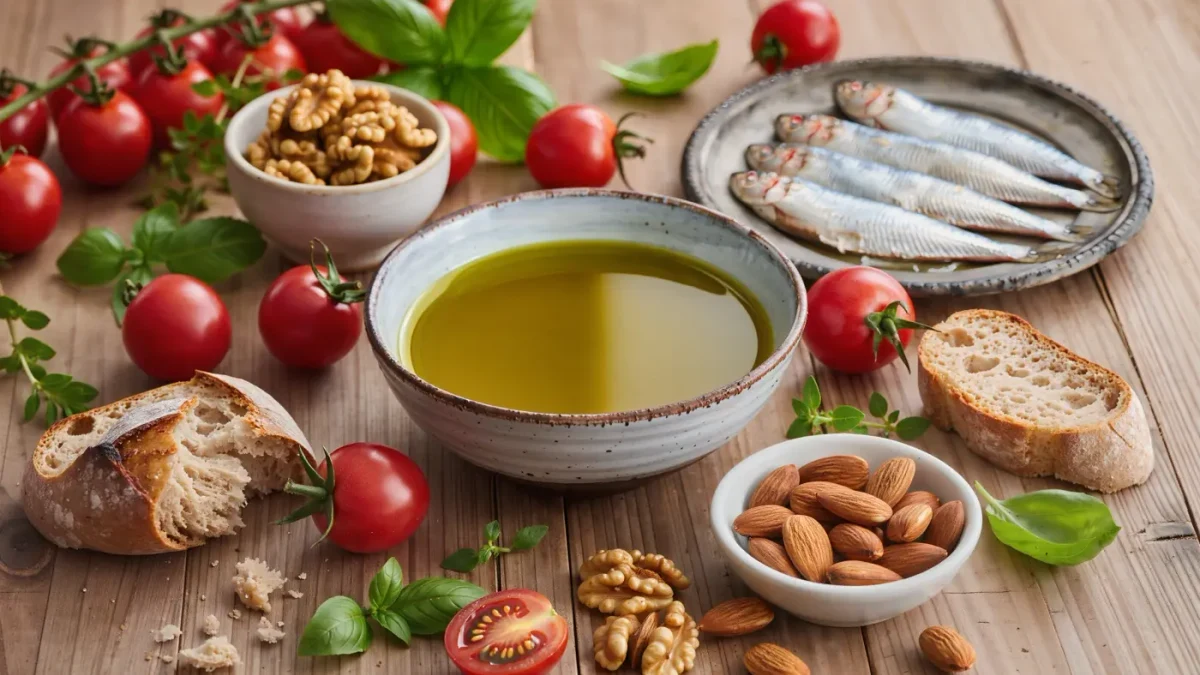
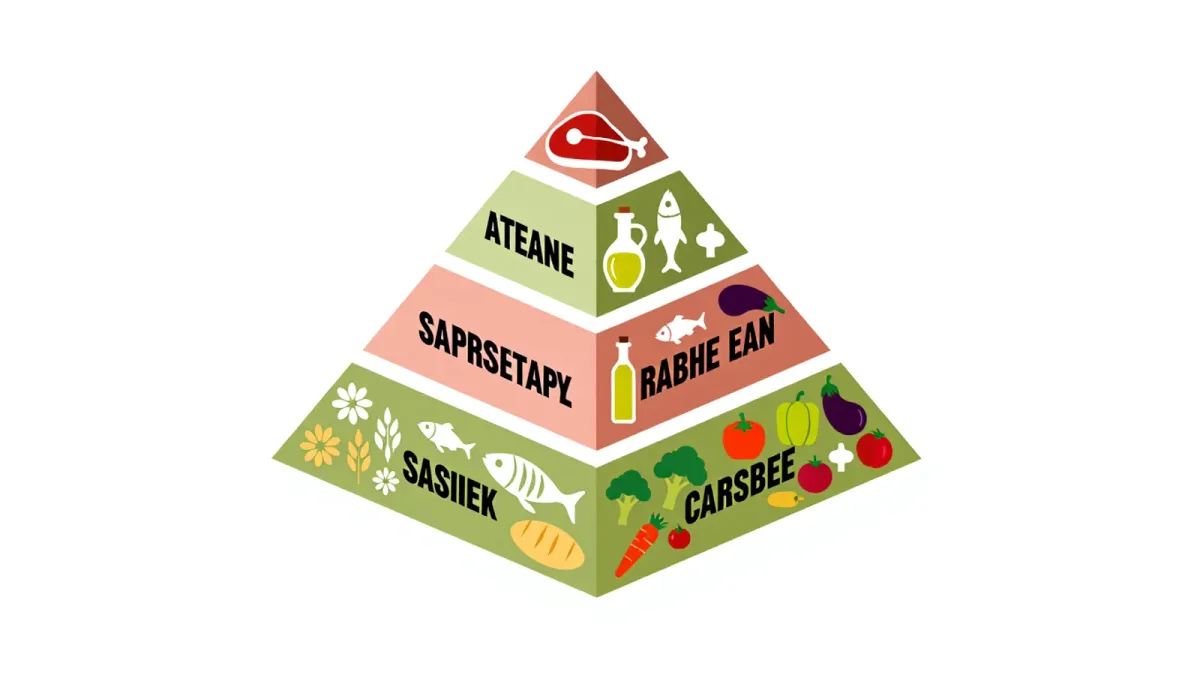
It is a pattern, not a calorie plan. As defined in the PREDIMED protocol, it emphasizes vegetables, fruits, legumes, whole grains, nuts, and olive oil as the principal fat; includes fish and poultry in moderation; keeps red and processed meat and sweets occasional; and allows wine in moderation for those who already drink. The trial's two intervention arms added either at least 4 tablespoons of extra-virgin olive oil a day or about an ounce of mixed nuts a day, which is worth noting because the diet that was tested is higher in fat, not lower, than the control diet people were told to follow.
How strong is the evidence?
It comes in layers, and the strongest layer is rare in nutrition science: large randomized trials.
- PREDIMED (NEJM 2013, republished 2018). About 7,400 high-risk Spanish adults, roughly 5 years of follow-up, hazard ratio around 0.69 to 0.72 for major cardiovascular events in both Mediterranean arms versus control, per the republished analysis.
- The Lyon Diet Heart Study (Circulation 1999). In 605 survivors of a first heart attack, a Mediterranean-style diet cut the composite of cardiac death and nonfatal heart attack by roughly 70 percent over about 4 years compared with a control diet, one of the largest diet effects ever recorded in a cardiac trial.
- Observational research. Cohort studies across many countries associate closer adherence with lower all-cause mortality, type 2 diabetes, and cognitive decline, per reviews cited by the American Heart Association, though association cannot prove causation.
The honest limits: PREDIMED tested people at high cardiovascular risk, most of them older adults in Spain, so the numbers do not automatically transfer to healthy 30-year-olds elsewhere. Some secondary outcomes, including cognitive protection, have weaker and mixed support, and per the trial's own publications, the Mediterranean groups did not differ from control in all-cause mortality over the follow-up window.
Why is the evidence better than for most diets?
Because it was tested for outcomes, not just weight. Most popular diets are evaluated by pounds lost in weeks or months; PREDIMED and Lyon counted heart attacks, strokes, and deaths over years, the events that actually matter to readers with cardiovascular risk. Both trials also tested a sustainable pattern rather than a restrictive one, which is why adherence stayed high, and why the American Heart Association's 2021 scientific statement on dietary guidance placed Mediterranean-style patterns among those it endorsed for cardiovascular health.
Is it the olive oil, the nuts, or the whole pattern?
The whole pattern is what was tested, but the individual components have their own evidence. Per the FDA's qualified health claim, published in 2004 and updated in 2018, consuming oleic-acid-rich oils such as olive oil in place of saturated fats may reduce coronary heart disease risk, with the agency explicitly calling the evidence limited. Nuts carry a separate qualified health claim first issued in 2003 for the same reason. What the trials did not do is isolate a single hero ingredient, so claims that a specific food reproduces the full trial effect overstate the data.
Does it work for weight loss or diabetes?
Partially, with candor about both. On diabetes: in a 2014 analysis of the PREDIMED trial published in the Annals of Internal Medicine, the Mediterranean diet with olive oil or nuts reduced new-onset type 2 diabetes by about 30 percent compared with the low-fat control. On weight: the Mediterranean arms in PREDIMED did not restrict calories, and participants did not lose meaningful weight, per the trial reports. If your goal is weight change, the Mediterranean pattern is not a weight-loss diet as tested; it is a cardiovascular risk diet as tested.
What does it look like on a plate in the US?
A practical translation, staying inside the tested pattern: olive oil as your default cooking and dressing fat, a vegetable at two meals a day, legumes like lentils or white beans several times a week, fish twice a week, nuts as the daily snack the PREDIMED arms used, fruit for dessert, and red meat pushed to occasional. Per the American Heart Association's 2021 guidance, the pattern can be adapted to any cuisine, since the components matter more than the geography.
The bottom line
The Mediterranean pattern is the best-evidenced eating style in nutrition: randomized trials, PREDIMED in the New England Journal of Medicine in 2013 and republished unchanged in 2018, plus the Lyon Diet Heart Study in Circulation in 1999, found substantially fewer cardiovascular events in high-risk and cardiac-patient populations, and a 2014 analysis showed about 30 percent lower new diabetes risk. The evidence was tested in older, higher-risk adults and did not produce weight loss, so read those limits honestly. The sensible step for someone with cardiovascular risk factors is not another restrictive diet but the boring version of this one: olive oil, vegetables, legumes, fish, and nuts most days, confirmed with your clinician if you have a condition or take medications.