
Constant fatigue in women most often traces back to five causes: insufficient or poor-quality sleep, iron deficiency, thyroid dysfunction, depression or anxiety, and blood sugar problems — and a basic panel of blood tests plus a careful history identifies most of them within a week or two, per the National Heart, Lung, and Blood Institute and endocrine society guidance. Fatigue that persists despite adequate sleep is a signal, not a character flaw: roughly one in three US adults reports routinely sleeping less than the recommended seven hours, according to CDC surveillance data, and women report more daytime sleepiness than men across most surveys. The first step is separating tired-because-busy from tired-because-something-is-wrong.
If exhaustion is new, worsening, or paired with other symptoms, the explanation below is context for a clinician conversation, not a diagnosis.
Could it just be sleep?
Quantity first, then quality. CDC data show more than a third of adults miss the seven-hour minimum, and for women in midlife the arithmetic gets harder — night sweats, caregiving schedules, and caffeine after noon all fragment sleep even when hours in bed look adequate. The telltale sign that sleep is the culprit is that fatigue improves when sleep improves, per the CDC's sleep hygiene guidance: a consistent wake time, a cool dark room, and no alcohol within three hours of bed are the changes with the best evidence. If seven to nine hours still leaves you depleted, the cause usually lies elsewhere.
Is low iron the most common hidden cause?
It is the one clinicians check first in menstruating women. Iron deficiency without anemia — low iron stores but a normal hemoglobin — still causes measurable fatigue, and trials summarized in a 2020 BMJ Open analysis found iron supplementation improves fatigue scores in iron-deficient women even before anemia develops. Women aged 19 to 50 need 18 mg of iron daily, more than double the amount for men, per the NIH Office of Dietary Supplements, because of menstrual blood loss. Heavy periods, vegetarian or vegan diets, and endurance training raise the risk further. A ferritin blood test detects the problem; guessing does not.
What about the thyroid?
An underactive thyroid slows nearly every metabolic process, and fatigue is its most common symptom, per the National Institute of Diabetes and Digestive and Kidney Diseases. Hypothyroidism affects nearly 5 in 100 Americans aged 12 and older, and women are far more likely than men to develop it, per NIDDK estimates. The condition often arrives with cold intolerance, dry skin, constipation, unexplained weight gain, and heavier periods — a cluster that distinguishes it from ordinary tiredness. Diagnosis is a TSH blood test, which is inexpensive, widely available, and typically part of the first round of fatigue workup.
How do mood disorders masquerade as physical exhaustion?
Fatigue is one of the most frequent presenting complaints of depression, and it often shows up before sadness does, per the American Psychiatric Association's diagnostic criteria, where fatigue and loss of energy are core symptoms. Anxiety does the same thing through a different route: a chronically activated stress system drains sleep quality and muscle recovery even when hours slept are normal. Clues include morning dread, loss of interest in activities you used to enjoy, and feeling wired but tired. Both conditions are treatable — therapy and medication have strong evidence — and recognizing them as medical causes of fatigue rather than personal failures is the step that changes the trajectory.
What other causes deserve a mention?
Several more, per guidance from the CDC and NIDDK:
- Prediabetes and diabetes: high blood sugar leaves cells underfueled, and fatigue is a recognized early symptom, per the CDC
- Sleep apnea, which is underdiagnosed in women because loud snoring is less typical; waking unrefreshed after enough hours in bed is the classic clue, per the National Heart, Lung, and Blood Institute
- Vitamin B12 or vitamin D deficiency, both common and both detectable on routine blood work, per the NIH Office of Dietary Supplements
- Medication side effects, including antihistamines, blood pressure drugs, and antidepressants, per the FDA's medication guidance
- Post-viral fatigue, which after some infections can persist for months, per CDC guidance on long-term effects
What should you expect at the doctor visit?
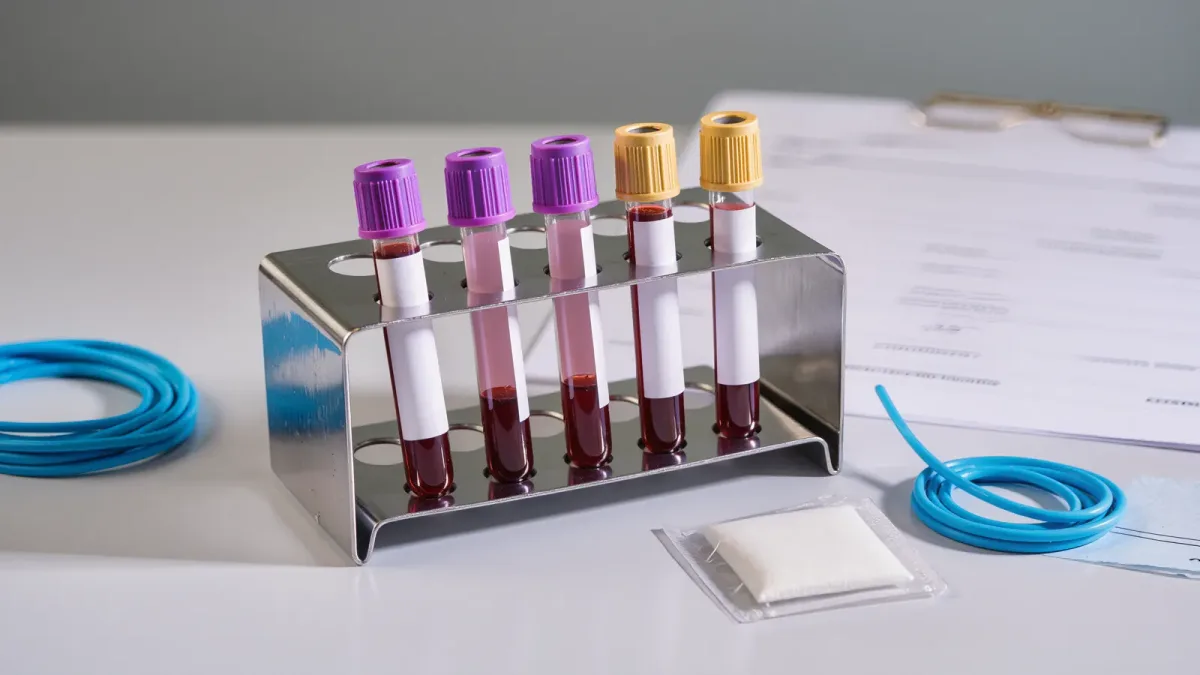
Expect a conversation before the needles. Clinicians typically ask about sleep patterns, periods, stress, alcohol, and exercise, then order a first-line panel that usually includes a complete blood count, ferritin, TSH, and a metabolic panel covering blood sugar, per standard primary-care fatigue workup guidance. Keeping a two-week diary of sleep hours, caffeine, and energy dips before the appointment makes that conversation dramatically more productive.
When to talk to a clinician
Seek care promptly if fatigue comes with chest pain, fainting, severe breathlessness, unexplained weight loss, night sweats, or new heavy bleeding. Book a routine visit if tiredness has lasted more than two to four weeks despite reasonable sleep, if it is affecting work or relationships, or if snoring plus unrefreshing sleep describes your nights. Bring the diary, ask about ferritin and TSH specifically, and treat a normal result as progress — it moves the search to the next candidate.
The bottom line
Constant fatigue in women usually comes from identifiable causes: short or fragmented sleep, iron deficiency, thyroid dysfunction, depression or anxiety, and blood sugar problems, per the CDC and NIDDK. A ferritin test, TSH, complete blood count, and glucose check resolve most cases, and more than a third of adults are not even meeting the seven-hour sleep minimum, per CDC data. Track two weeks of sleep and energy, then let a clinician run the panel — fatigue is a symptom to investigate, not a personality trait.