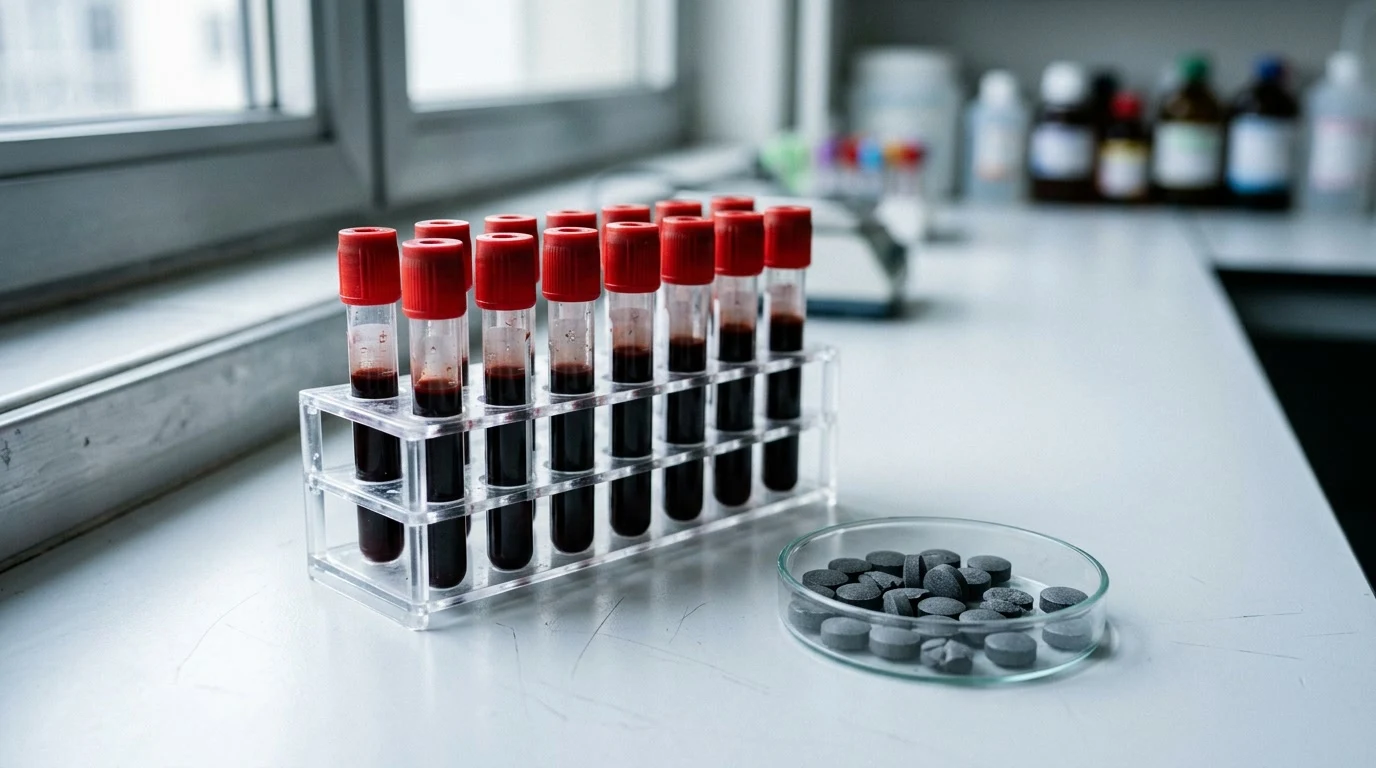
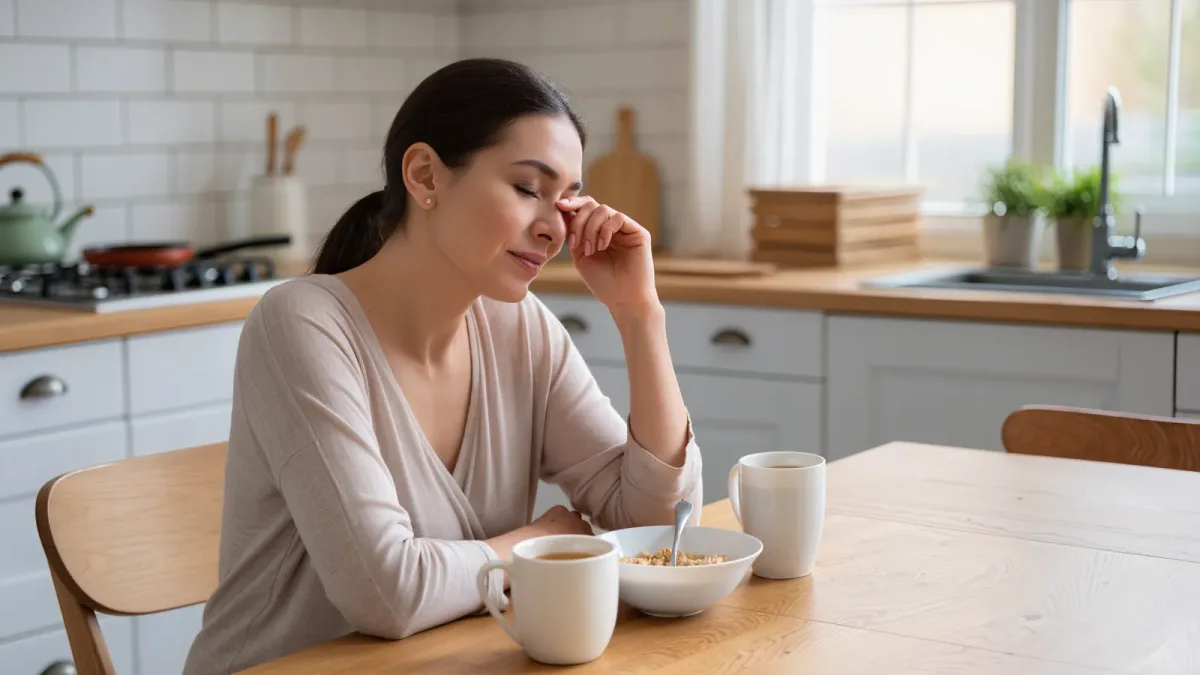
Iron deficiency is the most common nutritional deficiency worldwide, affecting roughly 30 percent of the global population, according to World Health Organization anemia estimates published in 2019 — and women of reproductive age are among the groups at highest risk. The usual signs include persistent tiredness, pale or sallow skin, cold hands and feet, brittle nails, headaches, dizziness, shortness of breath during ordinary activity, a racing heartbeat, unusual cravings for ice or dirt, and restless legs at night. Because every one of these symptoms can come from something else, a blood test — a complete blood count plus a ferritin level — is the only reliable way to confirm low iron.
Why are women more likely to run low on iron?
Menstruation is the main reason. The Recommended Dietary Allowance for iron is 18 mg per day for women aged 19 to 50, more than double the 8 mg recommended for adult men, per the NIH Office of Dietary Supplements — a gap that exists largely because of blood lost each month. Pregnancy raises the requirement to 27 mg per day, per the same NIH source, because iron is needed to make extra blood for the fetus and placenta. When intake or stores fall short of these amounts, the body first drains its iron reserves, then loses the ability to make enough hemoglobin, the protein that carries oxygen in red blood cells. That late stage is iron-deficiency anemia, and it is the point at which symptoms usually become hard to ignore.
What do the most common signs feel like?
Symptoms track with how little oxygen reaches your tissues. Per the NIH Office of Dietary Supplements and the CDC, the pattern most often includes:
- Fatigue and weakness that rest does not fix, because muscles are working with less oxygen
- Pale skin, and pale inner eyelids or nail beds, from fewer red blood cells near the surface
- Shortness of breath during mild exertion, like climbing one flight of stairs
- Heart palpitations or a racing heart as the body compensates for low oxygen
- Cold hands and feet from blood flow being shifted toward vital organs
- Headaches and dizziness, which the National Heart, Lung, and Blood Institute lists among anemia's hallmark features
- Brittle or spoon-shaped nails with prolonged deficiency
- Pica — cravings for ice, dirt, or clay — which clinicians consider a recognized sign of iron deficiency, per the NIH Office of Dietary Supplements
- Restless legs syndrome, which a 2024 review in JAMA Network Open linked to low iron stores in a substantial share of cases
One human detail worth noting: many women dismiss the tiredness as a normal part of a busy life, sometimes for years, until a routine blood test explains it.
How is iron deficiency actually diagnosed?
Diagnosis starts with a complete blood count, which measures hemoglobin and the size of red blood cells; iron-deficiency cells tend to be smaller and paler than normal, per the National Heart, Lung, and Blood Institute. The second key test is serum ferritin, a protein that mirrors the body's iron stores. A low ferritin level is considered the most sensitive marker of iron deficiency, per the NIH Office of Dietary Supplements, though ferritin can read falsely normal when inflammation is present, so clinicians sometimes order additional iron studies. Expect a conversation about your periods, diet, and digestive health as well, because the lab values only describe the problem — the cause needs its own explanation.
Can food alone fix low iron?
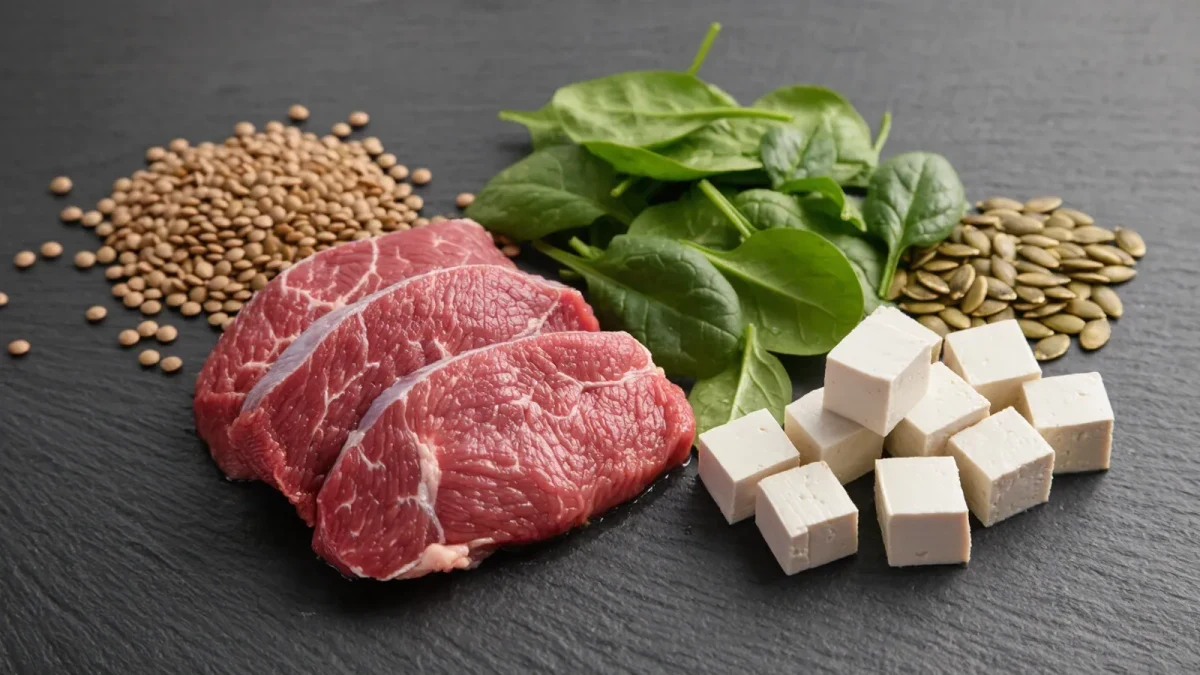
Mild insufficiency can often be addressed through diet, per the NIH Office of Dietary Supplements. Heme iron from beef, poultry, and fish is absorbed two to three times better than the non-heme iron in beans, lentils, spinach, and fortified cereals. Pairing plant iron with vitamin C — a squeeze of lemon on lentils, peppers with fortified cereal — meaningfully improves absorption, while tea, coffee, and calcium-rich foods taken with the meal inhibit it. Once true deficiency has developed, however, most clinicians recommend oral iron supplements, typically dosed on alternate days because research from 2017 in The Lancet Haematology found every-other-day dosing improves absorption. Never start iron pills on your own: excess iron is toxic, and supplements can mask symptoms while the underlying cause continues.
Do vegetarians and runners need extra attention?
Both groups do. Non-heme iron from plants is absorbed at roughly one-sixth to one-tenth the rate of heme iron from meat, per the NIH Office of Dietary Supplements, so vegetarians need about 1.8 times the standard RDA. Endurance athletes lose iron through foot-strike hemolysis, sweat, and digestive micro-bleeding, a pattern described in the Academy of Nutrition and Dietetics 2016 joint position statement on sports nutrition. Runners with declining performance plus persistent fatigue are a textbook case for a ferritin check rather than more training.
When to talk to a clinician
Contact a clinician promptly if you have fatigue with chest pain, fainting, or breathlessness at rest — those need urgent evaluation. Book a routine visit if periods have become noticeably heavier or longer, if you crave ice or non-food items, if you are pregnant or planning pregnancy, or if any of the signs above persist for more than a few weeks. A simple ferritin test settles the question, and heavy menstrual bleeding itself deserves a diagnosis rather than an iron pill as a workaround.
The bottom line
Iron deficiency affects roughly a third of the world's population and hits women of reproductive age hardest, per WHO 2019 estimates. Tiredness, pallor, cold extremities, breathlessness, ice cravings, and restless legs are the classic signs, and a complete blood count plus ferritin confirms the diagnosis. Ask a clinician for a ferritin test before buying supplements — the test is quick, and the treatment depends entirely on the cause.