
Blood pressure numbers come in a pair for a reason: the top number (systolic) is the force when your heart beats, the bottom (diastolic) is the force between beats, and under the categories issued by the American College of Cardiology and American Heart Association in 2017, normal is below 120/80 mm Hg, elevated blood pressure starts at 120/80, stage 1 hypertension begins at 130/80, stage 2 at 140/90, and any reading above 180/120 counts as a hypertensive crisis requiring immediate attention. Nearly half of US adults have hypertension, and only about one in four of them has it under control, per CDC estimates — which is exactly why the numbers on the cuff deserve their own explanation.
Diagnosis never rests on a single reading, and treatment decisions belong with a clinician who can measure properly and interpret your full history.
What do the two numbers measure?
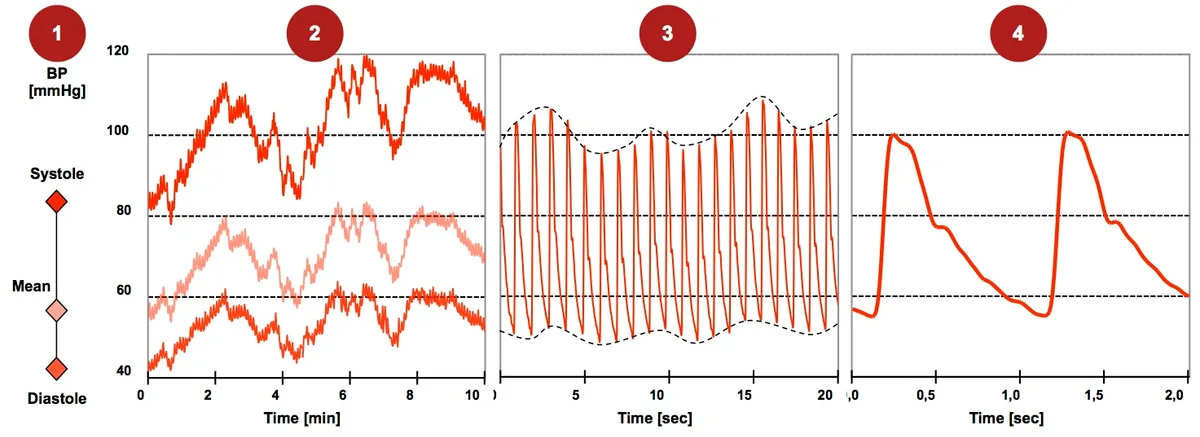
Systolic pressure, the top number, records the peak force as the heart's left ventricle pushes blood into the arteries; diastolic pressure, the bottom number, records the resting tension between beats, per the National Heart, Lung, and Blood Institute. Both matter, but after age 50 systolic pressure becomes the stronger predictor of cardiovascular risk, because arteries stiffen with age and the peak force climbs — a pattern called isolated systolic hypertension, common in women after menopause. That is why a reading of 150/70 is not "mostly fine because the bottom number is low."
What are the actual categories?
Per the 2017 ACC/AHA guideline, the framework used by US clinicians:
| Category | Systolic (top) | Diastolic (bottom) | |
|---|---|---|---|
| Normal | Less than 120 | and | Less than 80 |
| Elevated | 120 to 129 | and | Less than 80 |
| Stage 1 hypertension | 130 to 139 | or | 80 to 89 |
| Stage 2 hypertension | 140 or higher | or | 90 or higher |
| Hypertensive crisis | Higher than 180 | and/or | Higher than 120 |
Note the "and/or": one number high is enough to place you in a category. The 2017 update itself changed lives — by moving stage 1 down from the old 140/90 threshold, it classified roughly 30 million additional Americans as having high blood pressure, per the guideline's own published estimates.
Why do home readings differ from the doctor's office?
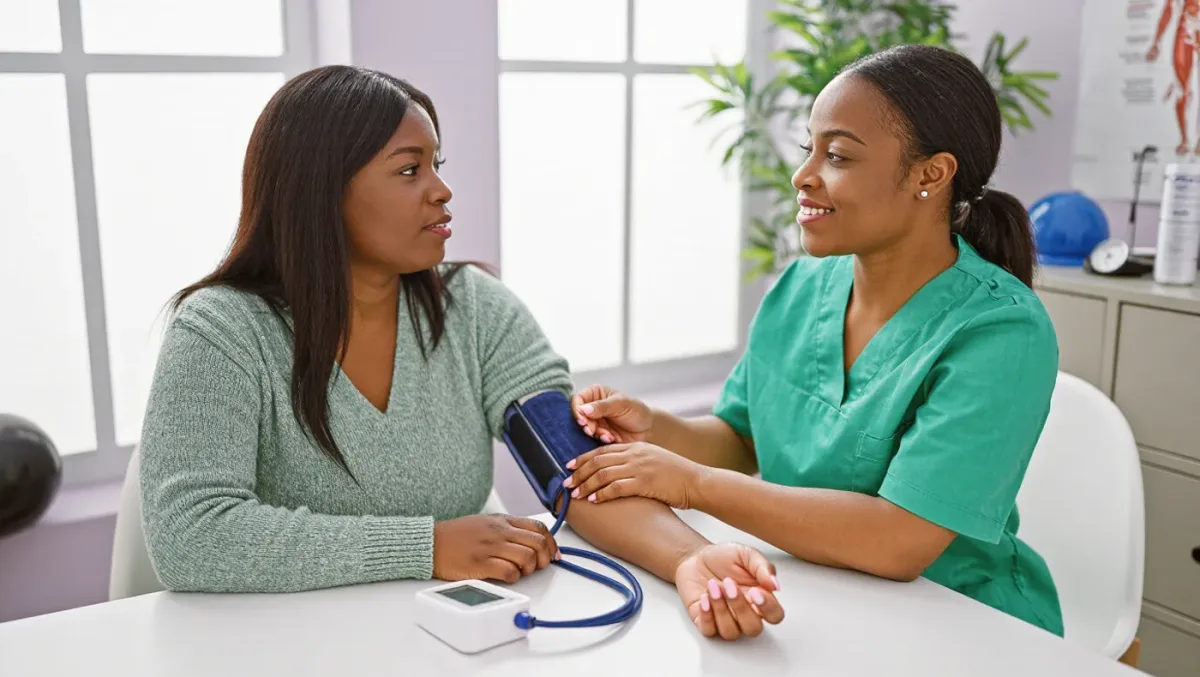
For about 15 to 30 percent of people, clinic readings run higher than home readings — white-coat hypertension — and for a smaller group the reverse occurs, called masked hypertension, per the US Preventive Services Task Force's 2021 recommendation statement. This is why the USPSTF recommends that a hypertension diagnosis be confirmed with out-of-office measurements, either a home cuff log or 24-hour ambulatory monitoring, before drug treatment starts. At home, sit quietly for five minutes first, back supported, feet flat, arm bared at heart level, and take two readings a minute apart in the morning and evening; a validated upper-arm cuff beats wrist devices for accuracy, per the AHA's measurement protocol.
Do women's numbers follow the same rules?
The categories are the same, but the trajectory differs. Before midlife, women's blood pressure runs lower than men's; after menopause it climbs, crosses over, and by the 70s women's systolic pressure often exceeds men's, per analyses of NHANES data published by the American Heart Association. Women also carry gender-specific hypertensive risks worth naming at appointments: hypertensive disorders of pregnancy, including preeclampsia, roughly double lifetime cardiovascular risk, per a 2017 meta-analysis in Circulation, and certain combined hormonal contraceptives raise blood pressure in a minority of users, per CDC contraceptive eligibility guidance. Blood pressure checks are therefore not just a heart question — they belong in pregnancy planning, postpartum follow-up, and contraception reviews.
What can you do about a number you do not like?
The levers with trial evidence are familiar: weight loss of about 1 mm Hg per kilogram lost, the DASH eating pattern rich in fruits, vegetables, and low-fat dairy, sodium reduction toward 1,500 mg per day, regular aerobic exercise, and limiting alcohol — together lowering systolic pressure by 20 to 50 mm Hg in combination, per the ACC/AHA lifestyle working group's 2018 scientific statement. Medication decisions at 130/80 depend on your overall cardiovascular risk, which is precisely the conversation to have with a clinician rather than a search engine.
How much does one high reading actually mean?
Far less than most people fear. Blood pressure swings with sleep, caffeine, a full bladder, a cold room, and the last hour of traffic, so single-reading anxiety produces more false alarms than true diagnoses, per the AHA measurement guidance. The clinically meaningful pattern is a level: the 2017 ACC/AHA guideline defines hypertension as an average of two or more readings on two or more separate occasions in the elevated range or above. That is also why the week-long home log outperforms the office snapshot — averaged home readings predict cardiovascular outcomes at least as well as clinic readings, per the USPSTF's evidence review behind its 2021 statement. One scary number deserves a recheck, not a diagnosis.
When to talk to a clinician
Seek emergency care immediately for a reading above 180/120 accompanied by chest pain, shortness of breath, vision changes, weakness, or severe headache. Call a clinician the same week for repeated home readings above 160/100 without symptoms, and schedule a routine visit for any category above normal confirmed over several days. Bring your home log — a week of paired morning and evening readings is more diagnostic value per minute than anything else you can carry in.
The bottom line
Normal blood pressure is below 120/80, stage 1 hypertension begins at 130/80, and readings above 180/120 with symptoms are an emergency, per the 2017 ACC/AHA categories. Nearly half of US adults have hypertension and only about one in four controls it, per CDC data, while the USPSTF's 2021 guidance says confirm any diagnosis with home or ambulatory readings. Buy a validated upper-arm cuff, log a week of readings, and take the log to a clinician.