
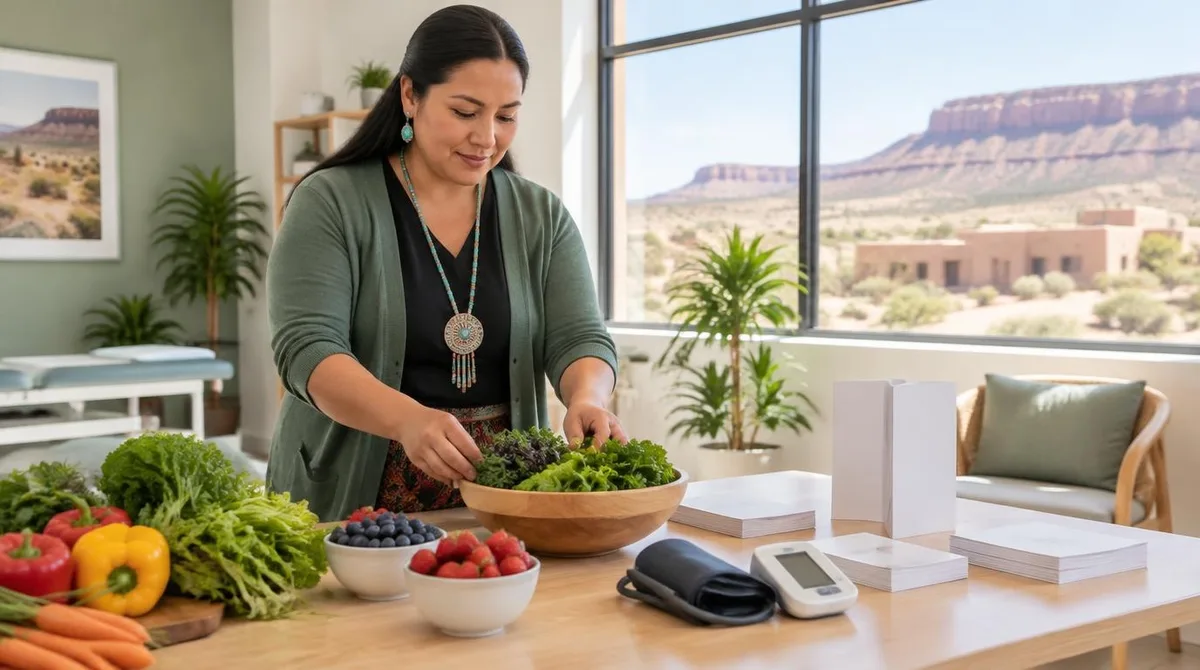
A new bill in Congress wants to put more money into tribal public health — and it arrives with a fair amount of goodwill behind it. Congressman Raul Ruiz, M.D., introduced the Native Health and Wellness Act of 2026, which would fund tribal public health systems and create new pipelines for American Indian and Alaska Native students to enter health careers, according to Indian Gaming Magazine.
The case for it is serious. American Indian and Alaska Native people face some of the highest rates of chronic disease in the country, and many lack access to basic preventive care, per the same report. Tribal health programs often do not have the funding they need to keep people healthy. That's the gap the bill is written to close.
But this is an introduction, not a law. And a closer read shows what the announcement tells us — and what it leaves out. For more coverage like this, see our health news section.
What would the Native Health and Wellness Act actually create?
Two grant programs, according to Indian Gaming Magazine. The first is a tribal health grant program to help Native communities start or expand preventive health programs, lower rates of chronic diseases like diabetes and heart disease, and build public health systems that can respond quickly to disease outbreaks.
The second targets the workforce. It would grow the Native health workforce by supporting Native youth and young adults through mentorships with health professionals, hands-on experience in clinics and hospitals, partnerships with colleges and universities, and counseling to help students finish college.
The two ideas work together. Prevention programs need staff, and staff need a reason to stay in their communities. Congressman Ruiz framed it that way in a statement: "Investing in Native American health is investing in America's health."
Who supports the bill — and how much does that tell you?
The endorsement list is meaningful but worth reading carefully. The bill is backed by tribal nations in Ruiz's district, including Jeff L. Grubbe, Chairman of the Agua Caliente Band of Cahuilla Indians, and Charles Martin, Tribal Chairman of the Morongo Band of Mission Indians. It is also endorsed by the National Council of Urban Indian Health, the California Consortium for Urban Indian Health, and the California Rural Indian Health Board, per Indian Gaming Magazine.
That's genuine support from people who live with these health gaps. It's also concentrated support: district tribal leaders and Native health organizations, several of them California-based. The report does not name co-sponsors beyond Ruiz, and it does not describe bipartisan backing. Whether the bill builds a broader coalition is one of the open questions.
Charles Martin's quote points to the longer view: "lasting progress will come when our own people play a larger role in providing care." That framing matters, because it treats the workforce grants — the less flashy half of the bill — as the part with the most lasting weight.
What the announcement doesn't tell us
Here is where a measured reading matters. The report describes what the grants would fund, but it does not include dollar amounts, a timeline, or a funding source. It does not say which committee would take up the bill or when. Those details usually decide whether a bill becomes a program or a press release.
The timing is also worth noting plainly: Ruiz introduced the legislation during Native American Heritage Month, which the report says was done to highlight the importance of investing in Native health. Symbolic timing is common in Congress and not a flaw on its own — but it is a reminder that introduction is the start of a process, not the end of one.
There's also a scale question the report doesn't answer. The bill addresses chronic disease and workforce shortages at once, which is coherent, but grant programs of this kind rise or fall on how steady the funding is year to year. A one-time investment in prevention rarely moves diabetes rates; a durable one might. The bill text itself, not the announcement, would need to answer that. For related coverage, see DEA Moves to Temporarily Schedule 7-OH, Shaking Wellness Drinks.
Why the underlying problem is not in dispute
Whatever happens to this bill, the need it describes is well documented in the report itself. Tribal nations are described as among the most medically underserved communities in the country, with Native Americans facing some of the worst chronic illness disparities, including diabetes and heart disease, and remaining underrepresented in the health care professions, according to Ruiz's statement in Indian Gaming Magazine. Francys Crevier, CEO of the National Council of Urban Indian Health, called the proposed investments "essential steps to close the longstanding health disparities our communities face."
Those are the claims of the bill's supporters, and they carry a stake in the outcome. But the direction of the problem — underserved communities, underfunded programs, too few Native health professionals — is not contested by anyone in the report. The disagreement, if there is one, will be about money and method, not about whether the gaps exist.
Chronic disease prevention is a theme we follow closely, from cholesterol levels explained to broader access questions in our wellness news coverage. This connects to our earlier piece, Cholesterol Levels Explained: Beyond Good and Bad.
What to watch next
If you want to track this bill, watch for three things: any published cost estimate, additional co-sponsors, and movement toward a committee hearing. Those signals will tell you more about its chances than the endorsement list does.
In the meantime, the bill has done one useful thing already: it has put tribal public health funding and the Native health workforce on the record in the same sentence. Whether Congress follows through is the part still unwritten. If you're new to how these disparities shape everyday health outcomes, our health news hub will keep following the story as it moves.