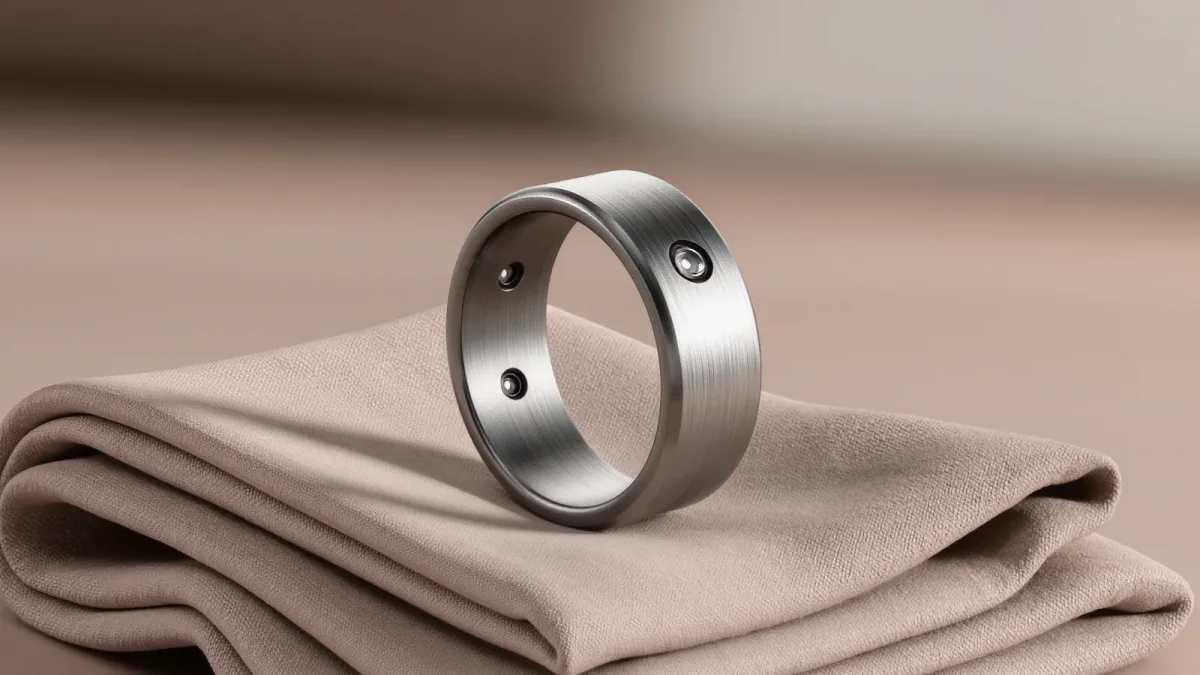
Oura Health, the Finnish maker of smart rings that track sleep, fitness, and recovery, confirmed on May 21, 2026 that it has confidentially filed paperwork with the SEC to go public in the United States, per Reuters, May 21, 2026. Bloomberg reported the filing as the smart-ring maker's step toward what could be one of the largest consumer-health IPOs of the year.
The filing matters to readers because it signals where the wellness industry's center of gravity sits: in subscription devices that turn sleep and recovery data into monthly revenue.
How big is Oura now?
Our company-scale picture comes from recent reporting: Oura raised $900 million at an $11 billion valuation in October 2025 and said it expected roughly $1 billion in revenue for 2025, per Bloomberg, 2025. A confidential S-1 does not disclose fresh financials — those arrive when the filing becomes public ahead of the roadshow.
The category around Oura is consolidating into a two-brand race at the top. Whoop raised $575 million at a $10.1 billion valuation on March 31, 2026, per Bloomberg, and framed an IPO as its own next step. Both companies are betting that consumers will keep paying subscriptions for continuous health signals — sleep stages, heart-rate variability, recovery scores.
What would a public Oura change?
Public markets bring quarterly scrutiny to the wellness-hardware playbook. If Oura lists, its claims about accuracy and health insights will face analysts, journalists, and regulators reading every word — a higher-visibility standard than private-company marketing, per Reuters, 2026. Shoppers can expect aggressive feature competition and possibly lower hardware prices as the two flagship brands fight for wrists and fingers.
What this changes for readers
If you already wear a smart ring or band, an IPO wave mostly means more features and more subscription upsells. Judge the pitch the same way as before: a device that helps you keep a steadier sleep schedule is earning its fee; one that sells anxiety in the form of scores is not. And remember that consumer wearables inform — they do not diagnose. Concerning readings belong with a clinician.
The bottom line
Oura confidentially filed for a US IPO on May 21, 2026, per Reuters, after raising $900 million at an $11 billion valuation in October 2025, per Bloomberg, 2025. The consumer-health listing wave is real; the sensible reader response is to keep evaluating these devices on evidence and usefulness, not market caps.