
The FTC approved a final order on July 15, 2026 against Vanilla Chip LLC, doing business as TruHeight, and two principals, requiring them to pay $750,000 of a $4 million judgment — with the rest suspended due to inability to pay — and banning deceptive height-growth claims for supplements marketed to kids and teens, per the FTC, 2026.
If you have concerns about your child's growth, the right step is a pediatrician, not a supplement.
What did the FTC say TruHeight did?
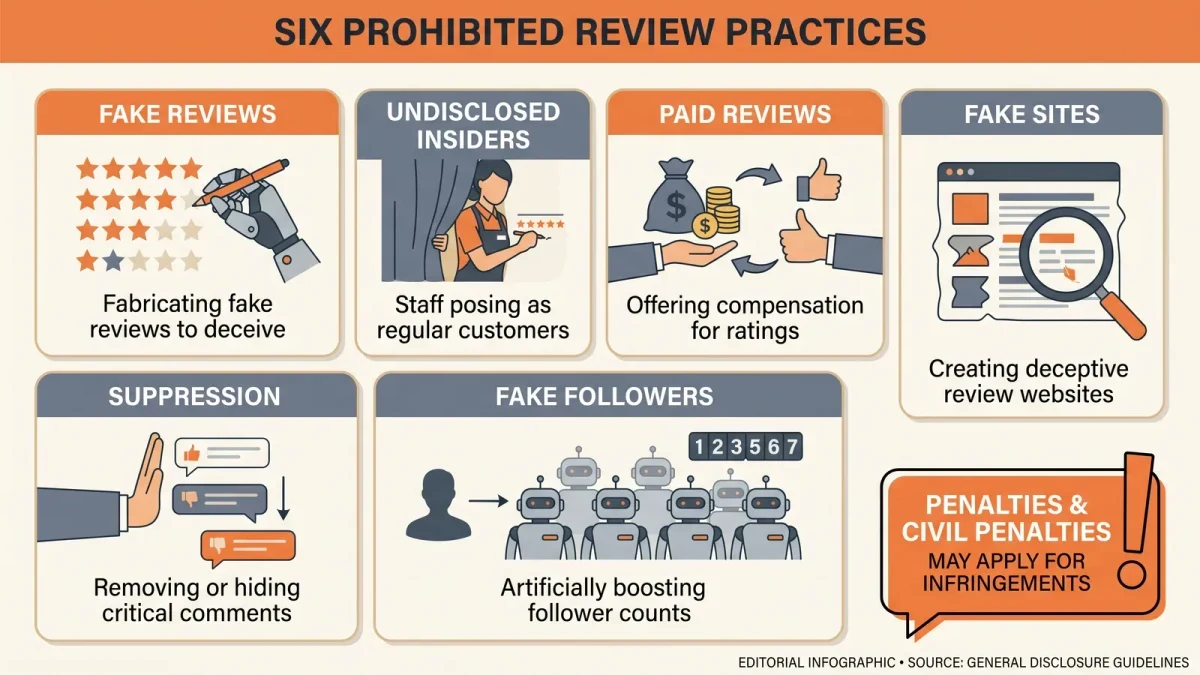
According to the agency, the company deceptively advertised supplements claimed to boost height growth in children and teens without reliable scientific evidence, per the FTC, 2026. The order also targets review manipulation: the FTC said reviews were written by employees, vendors, or incentivized consumers, and that bot-run fake social media profiles promoted the products.
The final order bans false height claims, unsubstantiated health-benefit claims, and misrepresentations about reviewers, and prohibits "buying consumer reviews conditioned on a particular sentiment," per the FTC, 2026. The Commission voted 2-0 to finalize the complaint and order.
Do growth supplements even work?
The FTC's action is itself the clearest public statement: the agency says the height claims lacked reliable scientific evidence, per the FTC, 2026. Height in adolescence is driven substantially by genetics and hormones, and a pediatrician can assess a child's growth curve with standardized charts — something no gummy or capsule can shortcut. Parents worried about a child's growth deserve measured, clinical answers rather than marketing promises.
What this changes for readers
If a product promises to make your child taller, treat it as a claim the government has now specifically banned for one brand — and generalize the lesson. Check who actually wrote a product's glowing reviews, and be skeptical of five-star walls built on incentivized feedback. For real growth questions, ask your pediatrician for a growth-curve evaluation.
The bottom line
Per the FTC, July 15, 2026, TruHeight's marketers must pay $750,000 of a $4 million judgment and stop unsubstantiated height and health claims, fake reviews, and paid-for sentiment. Height supplements are marketing, not medicine — a pediatrician's growth chart is the evidence that counts.