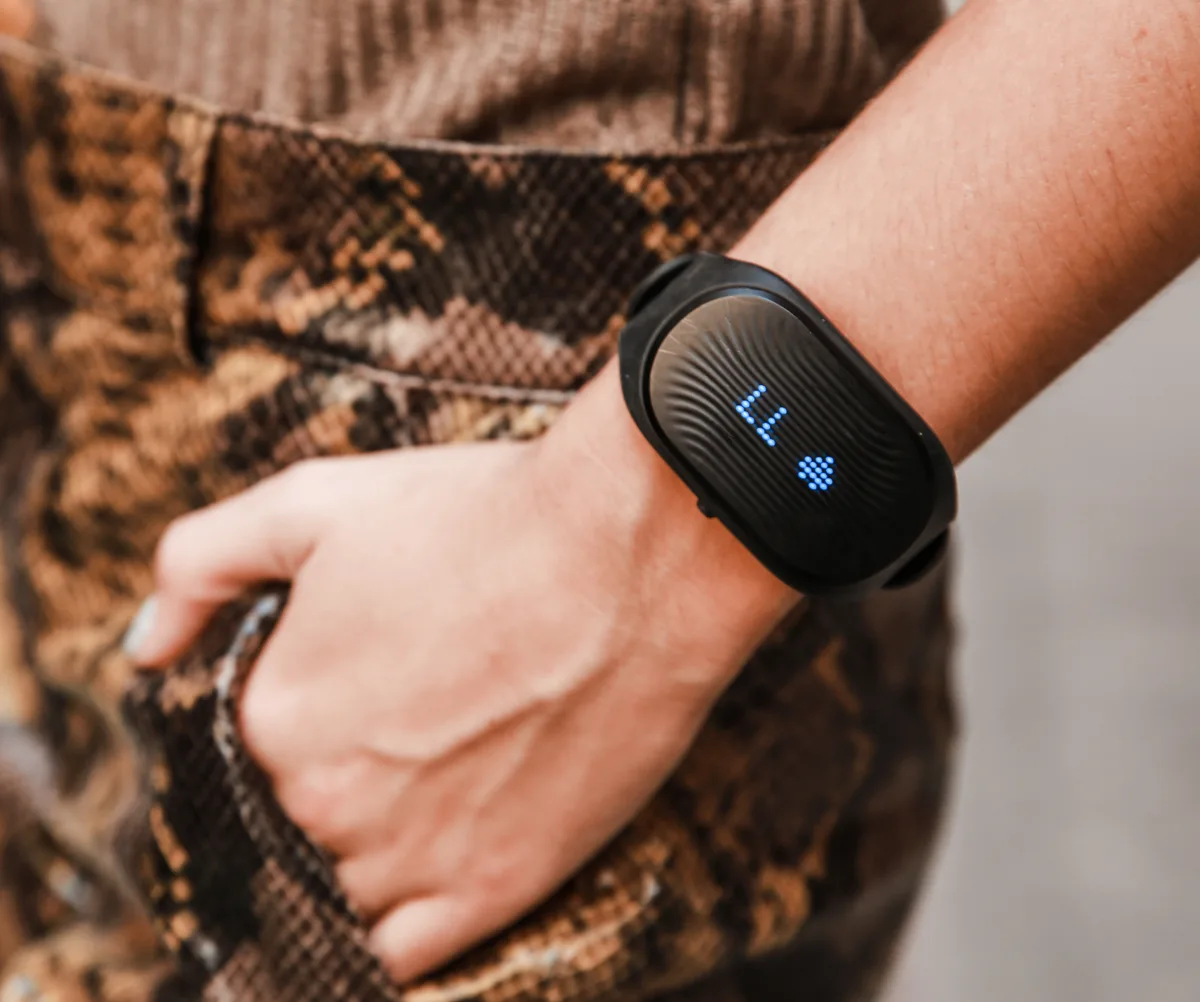
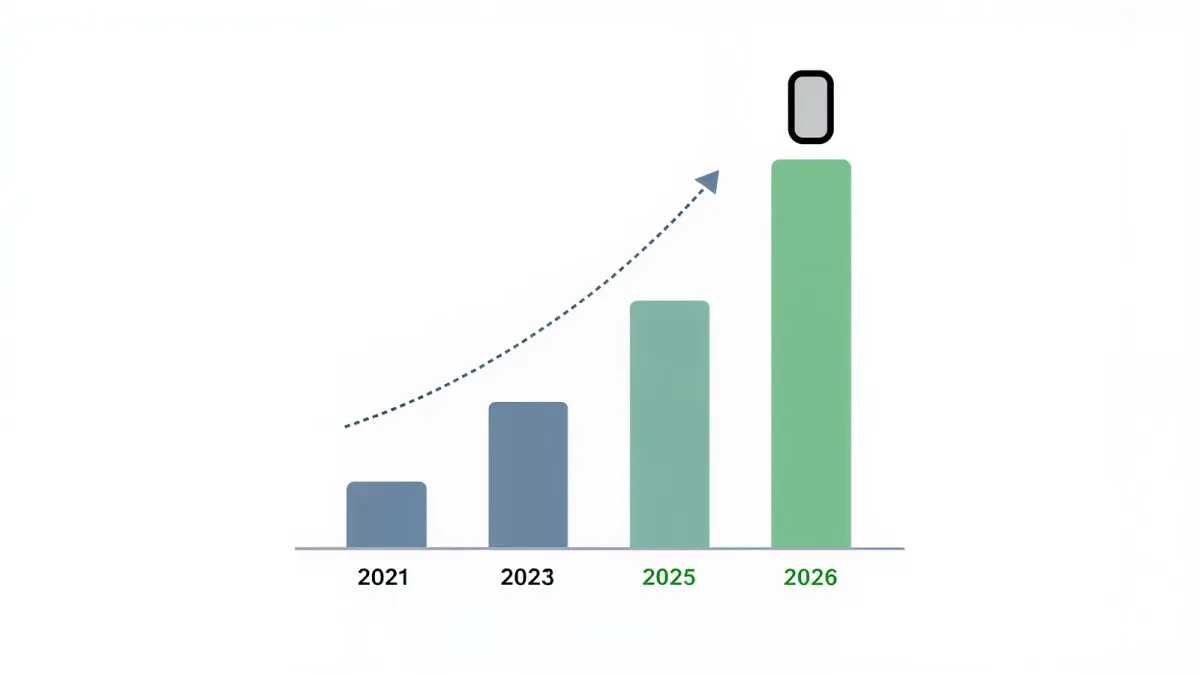
Whoop announced on March 31, 2026 that it raised $575 million in Series G funding led by Collaborative Fund, valuing the Boston-based wearable maker at $10.1 billion — nearly triple its $3.6 billion valuation from 2021 — with participation from investors including Qatar Investment Authority and Mubadala, per Bloomberg, March 31, 2026.
This site publishes information, not financial or medical advice; nothing here is a view on any investment. The round matters for readers because it shows where wellness spending is heading: toward screens-off devices that promise health insight from continuous data.
Why are investors paying 10 billion for a screenless band?
Because the category is selling recovery and health monitoring, not step counts. Whoop says it has more than 2.5 million members and plans to use the capital for growth in the US and expansion across Europe, the Gulf region, Latin America, and Asia, per Bloomberg, 2026. The company also says it is hiring for more than 600 roles on what it describes as a path toward an initial public offering.
The round lands in a broader funding wave for body-tracking wellness. Oura, the smart-ring maker, raised $900 million at an $11 billion valuation in October 2025 and reported expectations of roughly $1 billion in 2025 revenue, per Bloomberg, 2025. Investors are betting that subscription data — sleep, strain, recovery, readiness — becomes a durable consumer habit the way streaming did.
Does the money prove the health claims?
No, and the distinction is worth keeping. Fundraising measures investor appetite, not clinical validity. Wearables are generally strong at measuring heart rate and movement and weaker at turning those signals into validated medical conclusions; health insights from consumer devices should inform conversations with a clinician, not replace them.
What this changes for readers
Expect more marketing, more features, and more subscription tiers as funded wearable companies race toward IPOs. If you wear one, judge it by what you do with the data: a recovery score that changes your bedtime is useful; a score that fuels anxiety is not. And if a device suggests something concerning — like an irregular heart rhythm — that is a reason to see a clinician, not a diagnosis.
The bottom line
Whoop raised $575 million at a $10.1 billion valuation on March 31, 2026, nearly tripling its 2021 mark, per Bloomberg, with an IPO framed as the next step. For consumers, the practical read is simple: the wearable boom has capital to keep growing, so let evidence — not valuations — guide what you strap on.