If you keep frozen grilled chicken fillets in your freezer, this one is worth a label check. Per the USDA Food Safety and Inspection Service (FSIS), Suzanna's Kitchen, a Norcross, Georgia company, recalled approximately 13,720 pounds of frozen, ready-to-eat grilled chicken breast fillet products in mid-January 2026 because of possible Listeria monocytogenes contamination.
If you believe you ate a recalled product and feel sick, contact a health care provider, and report suspected illness to your local health department.
What exactly was recalled?
Per FSIS, the recall covers frozen, ready-to-eat grilled chicken breast fillet products that were distributed to distributors in seven states. FSIS classified it as a Class I recall — its highest-risk category, used when a product could cause serious health consequences. The concern was flagged by a third-party laboratory, which reported a possible positive test result for Listeria monocytogenes, per FSIS. The agency's notice, not a company press release, is the authoritative record of what was pulled.
Why Listeria in ready-to-eat food is taken seriously
Listeria monocytogenes can cause listeriosis, an infection that per the CDC hits hardest among pregnant people, adults 65 and older, and people with weakened immune systems. Unlike many foodborne bacteria, it can grow at refrigerator temperatures, which is why ready-to-eat products that are eaten without further cooking get heightened scrutiny. Per FSIS, there were no confirmed reports of illness connected to this recall at the time of the announcement.
What this changes for readers
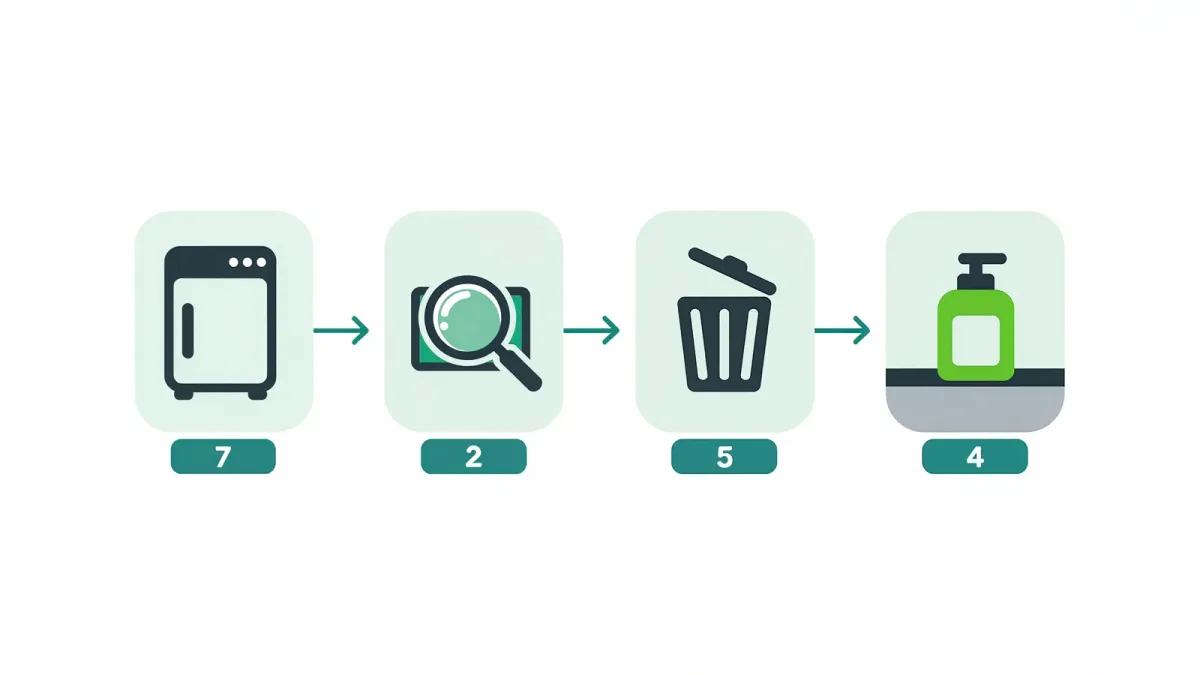
Check your freezer for the recalled grilled chicken fillets and match the package against the establishment number and date codes listed on the FSIS notice. If your package matches, per FSIS you should throw it away or return it to the place of purchase — do not taste it to decide. Wash any surfaces the package touched with hot, soapy water, because Listeria can spread from packaging to shelves and ready-to-eat foods.
The bottom line
Roughly 13,720 pounds of frozen, ready-to-eat grilled chicken breast fillets from Suzanna's Kitchen were recalled in mid-January 2026 over possible Listeria contamination, per FSIS, with distribution across seven states and no confirmed illnesses reported at announcement. The next sensible step: scan your freezer, compare codes on the FSIS notice, and discard or return anything that matches.