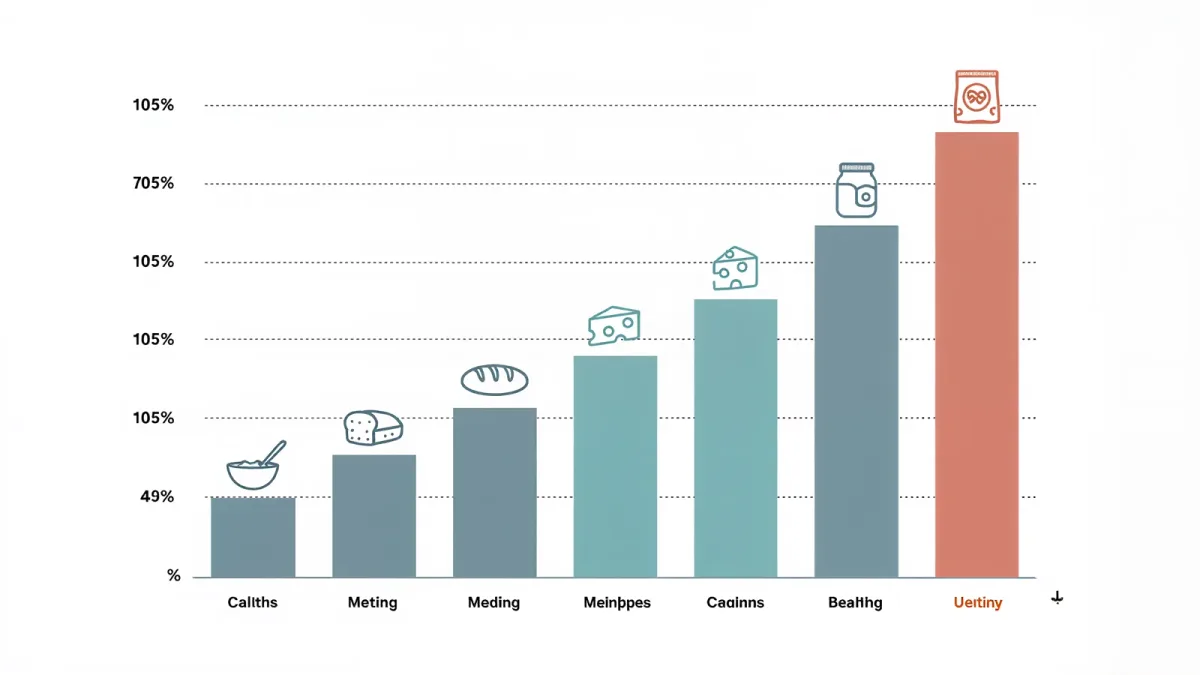
Voluntary sodium targets were supposed to nudge packaged food downward. Five years in, a study presented at NUTRITION 2026 found no evidence that it happened. Per meeting materials from the American Society for Nutrition (ASN), the research — presented at the society's annual meeting held July 25–28, 2026 in National Harbor, Maryland — found no evidence of sodium reduction in packaged foods after the FDA's non-binding voluntary guidance was issued in 2021.
If your clinician has told you to limit sodium for blood pressure, heart failure, or kidney disease, that personal plan takes priority over any national trend line.
What did the study examine?
Per the ASN's meeting materials, the analysis looked at packaged foods against the FDA's 2021 voluntary sodium reduction goals — measurable short-term targets the agency set for commercially processed, packaged, and prepared foods, as described on the FDA's sodium reduction page. The conclusion presented at the meeting: the packaged-food supply showed no evidence of meaningful sodium reduction in the period after the guidance. Because the finding was presented at a scientific meeting rather than issued in a final peer-reviewed journal article at the time of presentation, treat it as preliminary — strong enough for the ASN's program committee, still subject to peer review.
Why voluntary goals did not move the needle
The 2021 guidance was deliberately non-binding, per the FDA: targets, not mandates, with the agency betting industry-wide averaging could lower sodium gradually without changing taste expectations. The finding presented at NUTRITION 2026 suggests that bet has not yet paid off across the packaged-food supply. Sodium is functionally useful to manufacturers — it preserves food and carries flavor — which is precisely why the FDA built a multi-year voluntary framework instead of a rule in the first place.
What this changes for readers
If national numbers are flat, personal numbers still move:
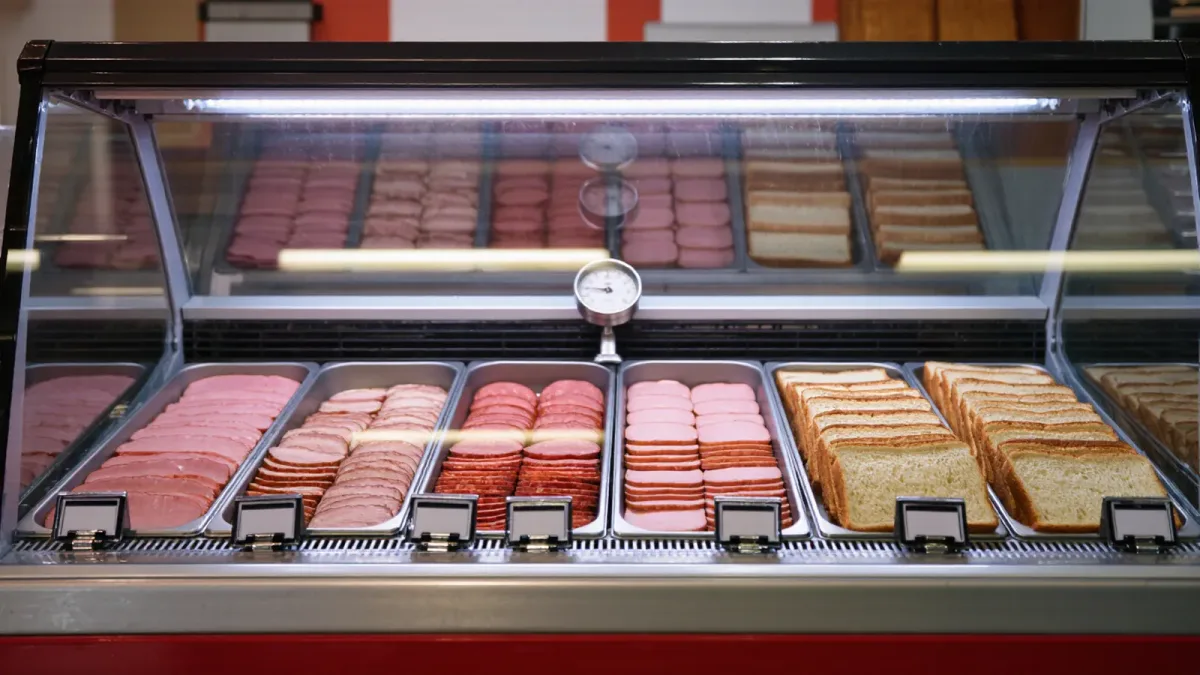
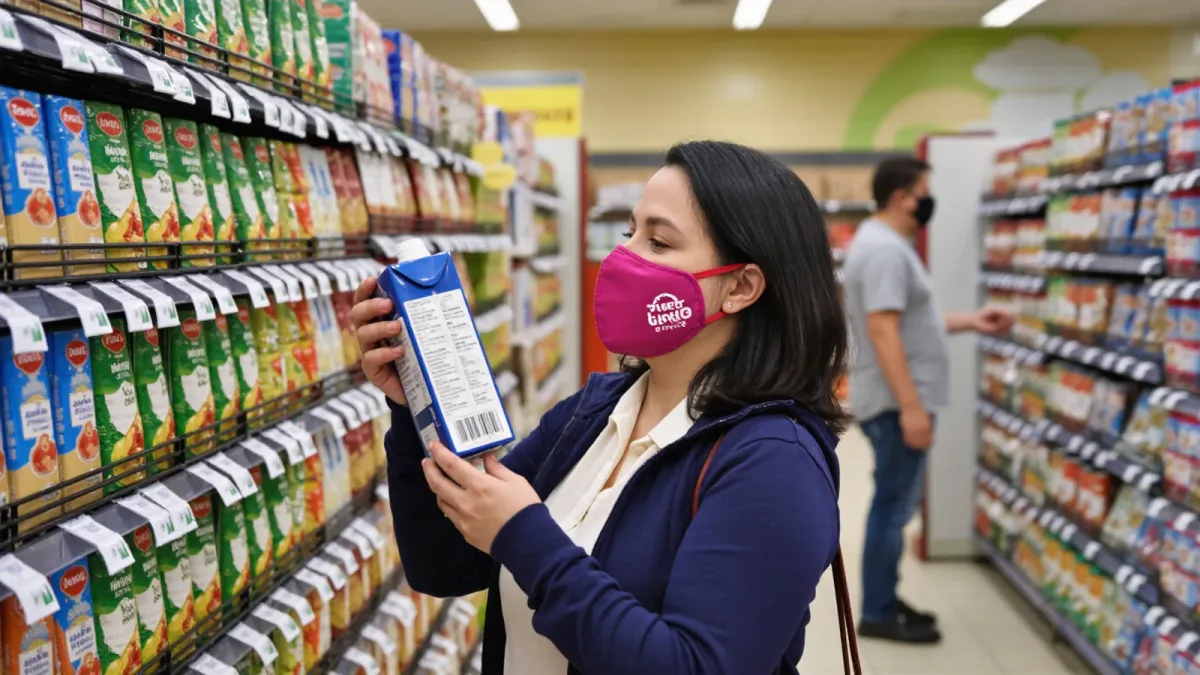
- Read the sodium line first. Nutrition Facts labels list milligrams of sodium per serving; packaged bread, soups, deli meats, and sauces are typically the biggest contributors, per the FDA.
- Compare brands in the same aisle. Sodium can differ substantially between similar products — the label is the only reliable judge.
- Shift the mix, not just the salt. Choosing more foods that are not packaged at all — produce, plain proteins, whole grains — lowers sodium without arithmetic.
The bottom line
Per ASN meeting materials from NUTRITION 2026, held July 25–28, 2026, researchers presented evidence that packaged foods showed no sodium reduction since the FDA's 2021 voluntary goals — a preliminary, peer-review-pending result. Until the supply chain shifts, the practical lever remains yours: check the sodium line on labels, compare brands, and keep the biggest sodium sources occasional rather than daily.