The food on your plate is getting a paper trail. Per the FDA, the agency held a public meeting on June 15, 2026 as part of implementing its final rule requiring additional traceability records for certain foods — a Food Safety Modernization Act measure that obliges companies handling specified high-risk foods to keep detailed records of where those products came from and where they went.
Nothing here changes how you should wash, store, or cook food; for symptoms of foodborne illness, talk with a clinician.
What does the Food Traceability Rule require?
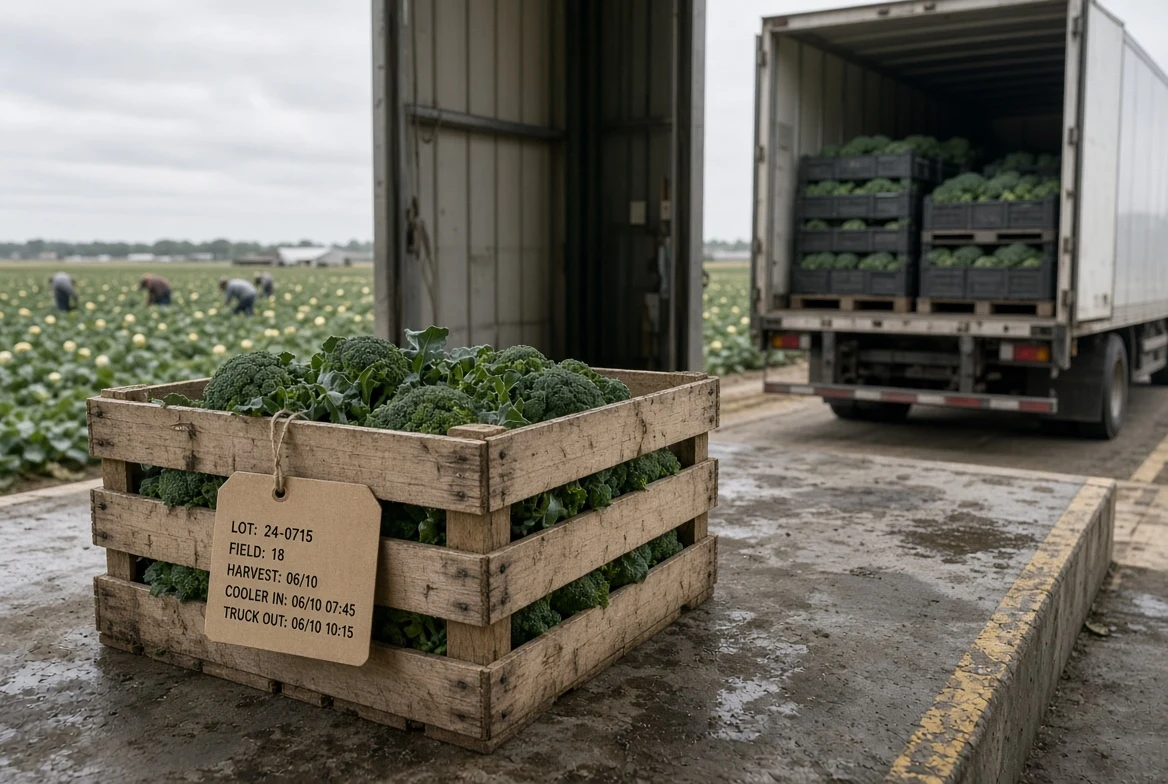
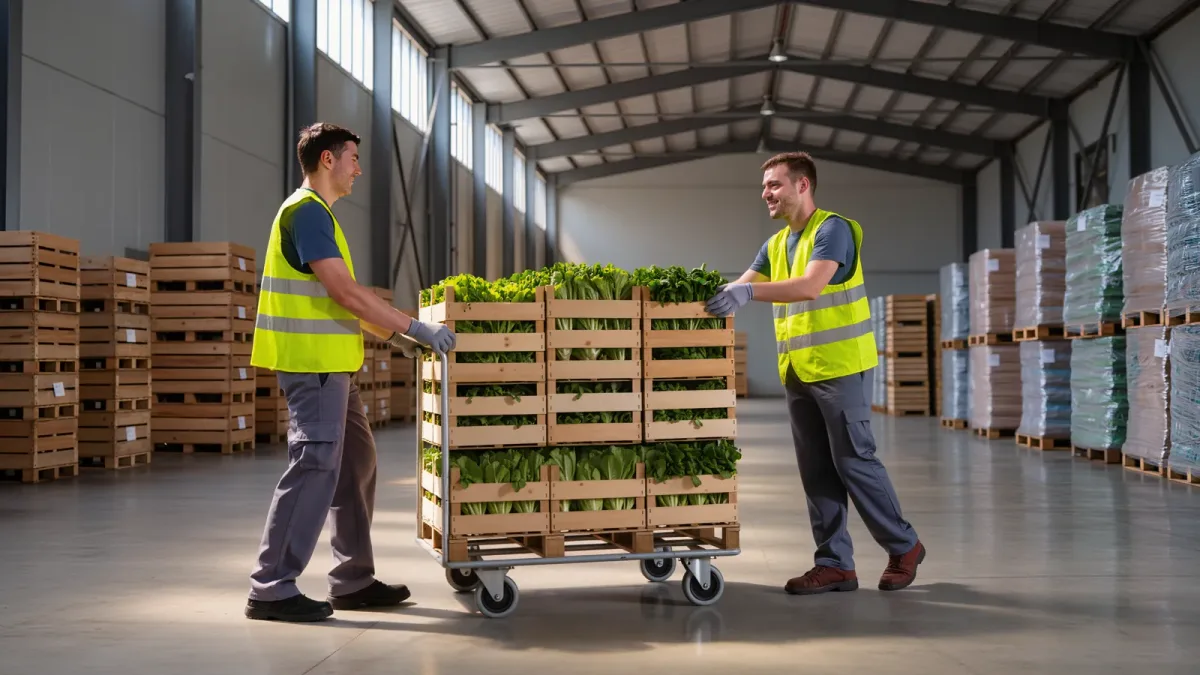
Per the FDA, the rule covers foods on the agency's Food Traceability List — categories with a history of foodborne-illness outbreaks — and requires companies that manufacture, process, pack, or hold them to maintain records with key tracking details, such as identifying where a product was grown or produced and each step it passed through in the supply chain. The point is speed: when an outbreak hits, investigators can trace a suspect food back through the chain in hours or days instead of weeks, which means faster recalls and fewer people exposed.
Why did the FDA hold a June meeting?
Implementation of a rule this size runs on industry feedback, per the FDA. The June 15, 2026 public meeting gave producers, distributors, retailers, and technology vendors a forum to work through compliance questions — record formats, data systems, and how small firms meet the same requirements as national chains. Public meetings of this kind are how the agency collects the practical details that shape guidance documents and compliance timelines.
What this changes for readers
Shoppers will not see the records, but you will feel the effects in three places:
- Faster, tighter recalls. Better records mean outbreak investigations can name specific products instead of broad warnings, per the FDA's rationale for the rule.
- Clearer answers at the store. When you ask whether a recalled item is in your fridge, the answer can be based on precise lot tracking rather than guesswork.
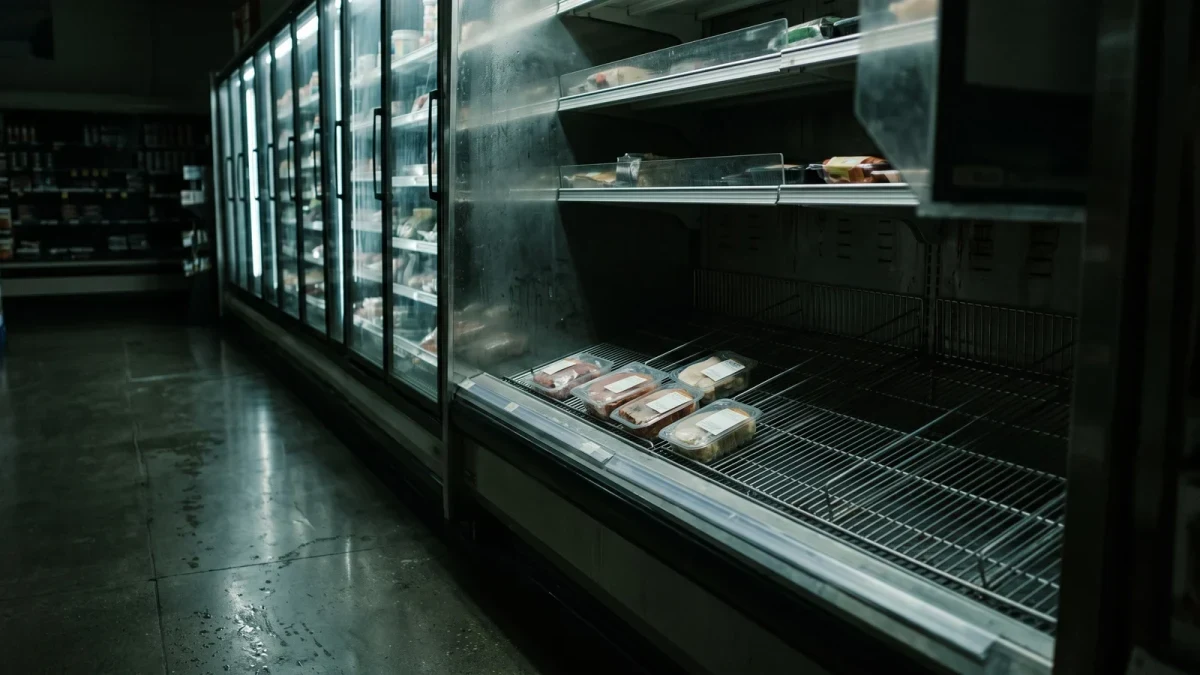
- Fewer blanket warnings. Traceability lets investigators narrow a recall to affected lots, sparing producers whose products were never at risk.
The bottom line
Per the FDA, the traceability record requirements under its Food Safety Modernization Act final rule for certain high-risk foods advanced another step at the agency's June 15, 2026 public meeting. For readers, the practical takeaway is patience plus payoff: the rule is industry paperwork today, but it is built to make tomorrow's recalls faster, narrower, and easier to act on.