Raw milk cheddar is under the microscope. Per the FDA's outbreak investigation notice first posted March 15, 2026, the agency, working with the CDC and state partners, is investigating an outbreak of E. coli O157:H7 infections linked to raw cheddar cheese, with illness onset dates reaching back to the fall of 2025.
If you develop severe diarrhea, bloody stool, or signs of dehydration after eating a suspect food, contact a clinician promptly — some E. coli complications need medical care.
What does the FDA investigation cover?
Per the FDA notice, the investigation covers illnesses caused by E. coli O157:H7, a strain that can cause severe stomach cramps, bloody diarrhea, and vomiting, and in some cases a kidney complication called hemolytic uremic syndrome. Onset dates stretch back to September 2025, per the FDA's timeline, which signals the product may have been sold for months before the pattern was spotted. Outbreak notices are updated as trace-back work progresses, so the picture can change — the FDA page is the source to re-check.
Why raw cheese carries more risk
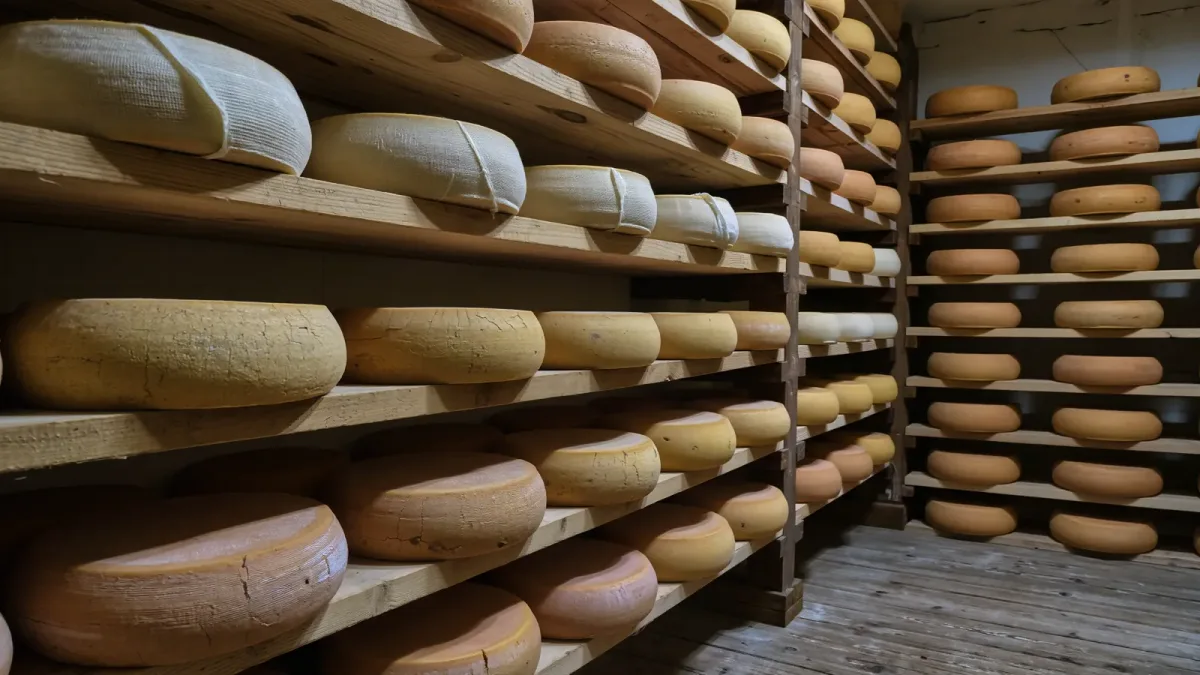
Raw (unpasteurized) milk cheeses are made without the pasteurization step that kills E. coli, Listeria, and Salmonella. That is why the CDC and FDA have long advised that people at highest risk — pregnant people, young children, adults 65 and older, and anyone with a weakened immune system — avoid raw milk and raw milk products entirely. Aged raw-milk cheeses are legal in the US under federal standards, but legality is not the same as zero risk, and this outbreak is a live example.
What this changes for readers
Until the investigation identifies specific lots or brands, the practical moves are the ones food-safety agencies always recommend for raw dairy:
- Know what you are buying. Labels state whether a cheese is made from raw or pasteurized milk; check before you serve it to someone in a high-risk group.
- Watch for updates. If the FDA names specific products, the notice will list brands, sizes, and sell-by dates to match against your fridge.
- Take symptoms seriously. Bloody diarrhea or reduced urination after a raw-cheese meal warrants a call to a clinician, per CDC guidance on E. coli.
The bottom line
Per the FDA's notice posted March 15, 2026, federal and state investigators are tracing an E. coli O157:H7 outbreak linked to raw cheddar cheese, with cases dating back to fall 2025. If raw cheese is in your fridge, note the brand and label details, favor pasteurized options for high-risk family members, and check the FDA investigation page for named products before your next trip to the cheese counter.