Vitamin C serums have real evidence behind them — with fine print. A 1999 randomized controlled trial by Salvatore Traikovich in the Archives of Otolaryngology found a topical vitamin C formulation improved photodamaged skin over three months compared with placebo. The caveat that decides everything else: the trials tested L-ascorbic acid at 10 to 20 percent in low-pH formulas, and a widely cited 2013 review in the Journal of Clinical and Aesthetic Dermatology by Pumori Saokar Telang concluded that only those conditions deliver meaningful results.
If you have sensitive skin, rosacea, or a reaction to any serum, review your routine with a dermatologist before adding actives.
What does vitamin C actually do in skin?
Vitamin C is an antioxidant and a required cofactor for collagen synthesis — the enzyme reactions that build collagen cannot run without it, per the Telang review. In skin, that translates to two marketed effects: neutralizing free radicals generated by UV exposure, and supporting the collagen scaffold. Topical trials have measured both: improved hydration and firmness, reduced roughness, and a modest evening of pigment. None of the trials show it replacing sunscreen — vitamin C mops up some of the damage UV creates, but per the review's framing, it is a supplement to sun protection, not a substitute.
What did the key trials find?
The 1999 Traikovich trial followed 19 subjects with moderate photodamage for three months: the vitamin C group showed statistically significant improvements in hydration, roughness, and clinical grading of photoaging, while placebo cream users improved less. A widely referenced 2005 review by Patricia Farris in Dermatologic Surgery concluded that topical vitamin C is a useful agent for photoaging based on the accumulated human trials. More recent head-to-head work has compared vitamin C with other brightening agents for melasma and post-inflammatory pigment, generally finding effects real but modest — typically less dramatic than prescription options like hydroquinone or tretinoin, per dermatology reviews.
Why do so many serums underperform?
Vitamin C is a notoriously difficult molecule. Pure L-ascorbic acid oxidizes — turning yellow-brown — when exposed to light, air, and heat, losing activity as it degrades. Absorption also depends on pH: per the 2013 Telang review, skin absorbs L-ascorbic acid well below pH 3.5 and poorly above it. A formula that starts at the right concentration but oxidizes in your hot bathroom, or is buffered to a skin-friendly pH that blocks uptake, delivers little of what the trials tested. Derivatives — magnesium ascorbyl phosphate, ascorbyl glucoside, tetrahexyldecyl ascorbate — are more stable and gentler, but the review noted their human-trial evidence is thinner, and they generally require conversion to ascorbic acid inside skin.
What should you look for on a label?
- L-ascorbic acid as the named active — the form with the deepest trial evidence.
- Concentration between 10 and 20 percent — the range the trials used; per the Telang review, concentrations above 20 percent showed no added benefit and more irritation.
- Low pH, ideally stated — below 3.5 for meaningful absorption.
- Additional stabilizers — vitamin E and ferulic acid are the best-studied pair; a 2005 study by Fu-Hsiung Lin and colleagues at Duke in the Journal of the American Academy of Dermatology found the C-E-ferulic combination stayed stable and boosted photoprotection in skin.
- Opaque, airtight packaging — pumps and dark glass, not dropper jars that refill with air.
How do you use it?
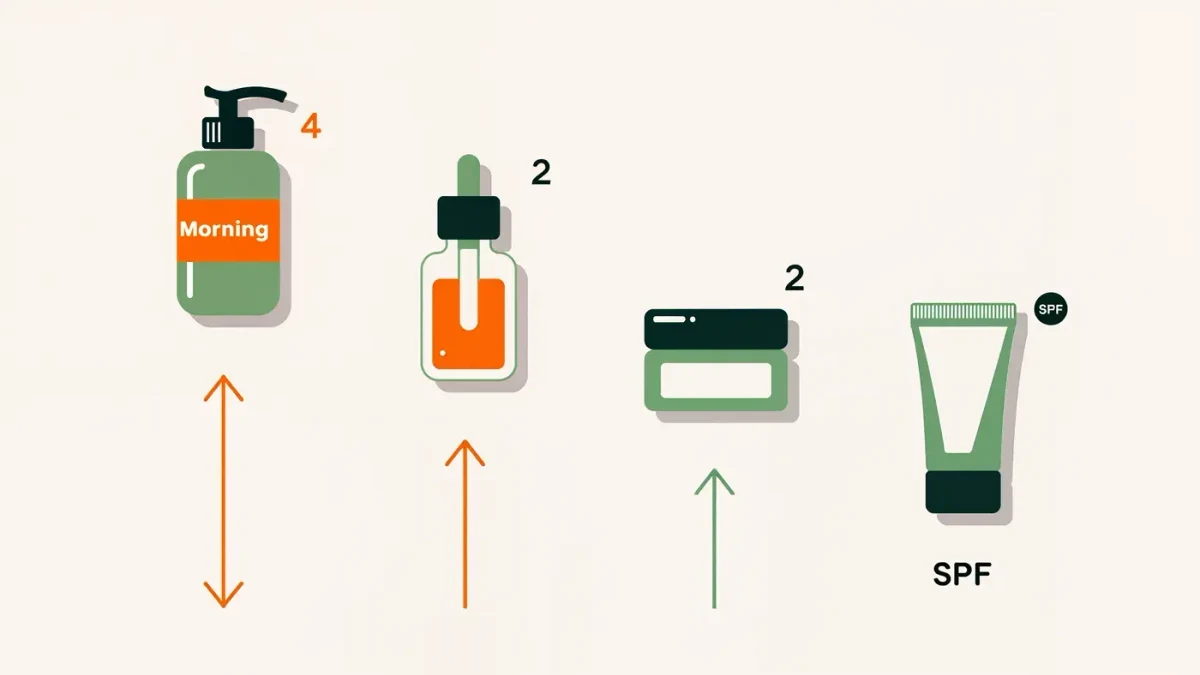
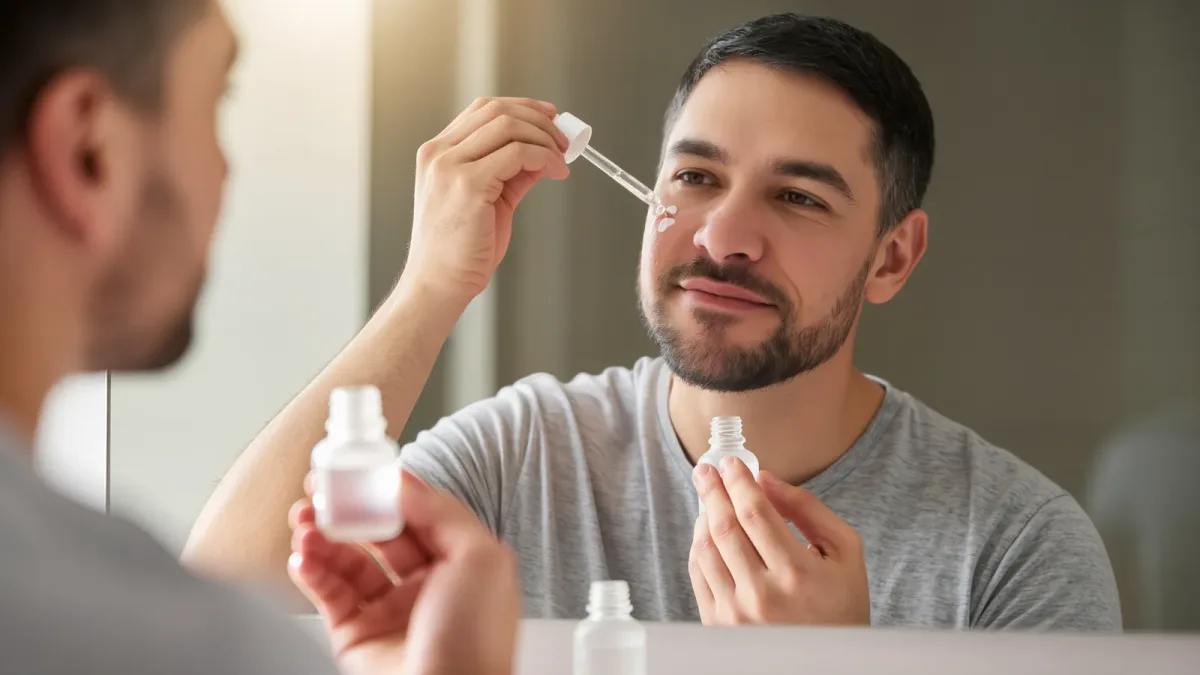
Most dermatologists place vitamin C in the morning, under sunscreen — its antioxidant activity complements the UV filtering SPF does, per the Telang review. Apply a few drops to dry skin after cleansing, follow with moisturizer and broad-spectrum SPF 30, and expect tone and texture changes over 8 to 12 weeks, the timeline the trials used. Tingling at first application is common at low pH; burning is not, and calls for stopping. Store the bottle away from light and heat, and discard when the liquid darkens noticeably — oxidized serum is not harmful, but it is no longer doing the job.
Can you get the same benefit from vitamin C in food?
No — for skin appearance, dietary vitamin C and topical vitamin C are different channels. Per the NIH Office of Dietary Supplements, adequate vitamin C intake (75 to 90 milligrams daily for adults) is required for collagen synthesis throughout the body, and deficiency causes poor wound healing. But blood levels plateau with normal intake, and eating more citrus does not raise skin levels the way topical application does. The food handles your general health; the serum is the route tested for skin.
What vitamin C cannot do
The trials measured modest improvements in tone, texture, and pigment — not wrinkle erasure, not lifting, and not protection equal to sunscreen. Vitamin C has not been shown to treat active acne, and its brightening effect in deeper skin tones deserves specific study, since most photodamage trials enrolled lighter-skinned participants, a limitation the reviews acknowledge.
When to talk to a clinician
Check with a dermatologist if a serum causes lasting redness or peeling, if you are pursuing treatment for melasma or significant pigment — prescription options outperform cosmetics there — or if any dark spot is new or changing, which always deserves diagnosis.
The bottom line
Vitamin C serums work when the formula matches the trials: L-ascorbic acid, 10 to 20 percent, low pH, under daily sunscreen — conditions behind the 1999 Archives of Otolaryngology trial's improvements in photodamage and the 2013 Journal of Clinical and Aesthetic Dermatology review's endorsement. Expect gradual tone and texture gains at 8 to 12 weeks, store it dark and cool, and bin it when it turns brown.