Yes, the evidence for daily sunscreen is unusually strong. In a landmark randomized trial published in the Annals of Internal Medicine in 2013, Australian adults who applied broad-spectrum sunscreen every day showed 24 percent less skin aging over four and a half years than those who used it at their own discretion — the first trial to show sunscreen keeps skin looking younger, not just safer.
If you have a history of skin cancer, suspicious moles, or a reaction to sunscreen products, talk with a dermatologist about the right protection plan for you.
What did the skin-aging trial actually find?
The 2013 study, led by Maria Hughes and Adele Green at the Queensland Institute of Medical Research, enrolled about 900 adults under 55 in Nambour, Australia. Half were told to apply sunscreen daily; the others continued as usual. Researchers made silicone impressions of each participant's skin at the start and end, and dermatologists graded them without knowing who was in which group. The daily-use group showed 24 percent less skin aging — fewer fine lines and less coarse texture change — than the discretionary group, even though many discretionary users wore some sunscreen. Applied daily, sunscreen was effectively an anti-aging intervention.
Can sunscreen actually reduce skin cancer?
Yes — this is the bigger prize. The same Nambour community produced the finding that daily sunscreen use reduced melanoma. In 2011, the Journal of Clinical Oncology published ten-year follow-up data showing that adults randomized to regular daily sunscreen developed about half as many melanomas as the discretionary group during the trial and its extension. Earlier results from the same trial, published in The Lancet in 1999, showed daily use reduced squamous cell carcinoma. Per the National Cancer Institute, most skin cancers are linked to ultraviolet exposure, which makes daily protection the rare cosmetic habit with cancer-prevention data behind it.
What does SPF actually measure?
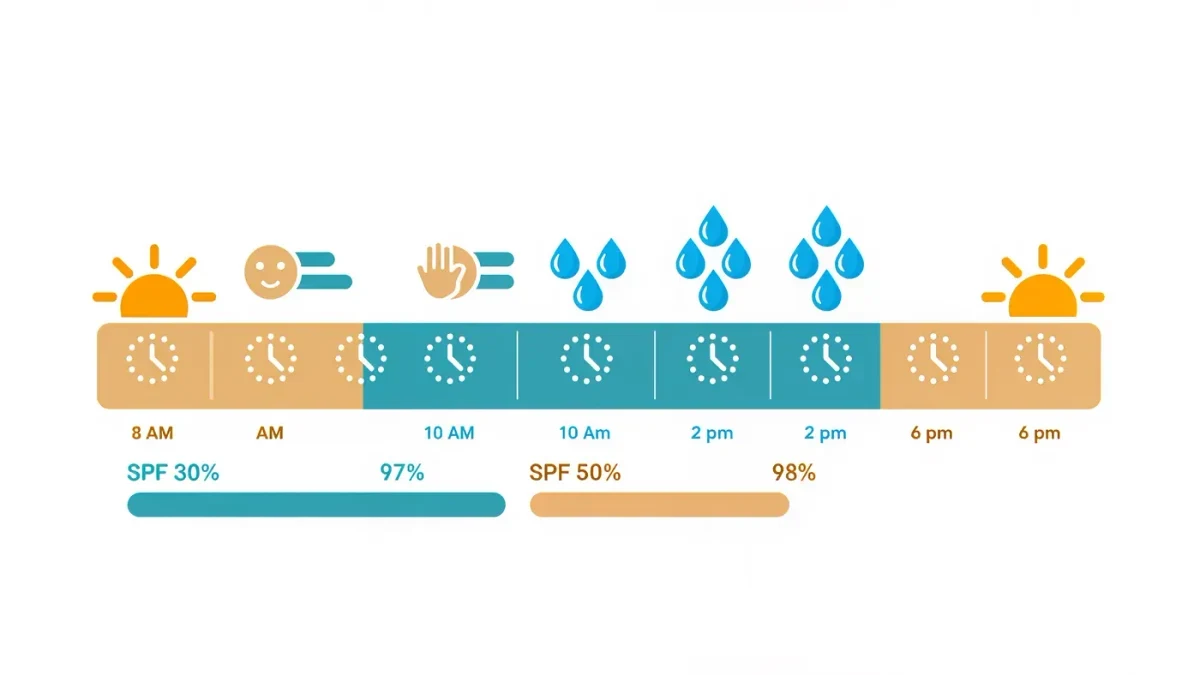
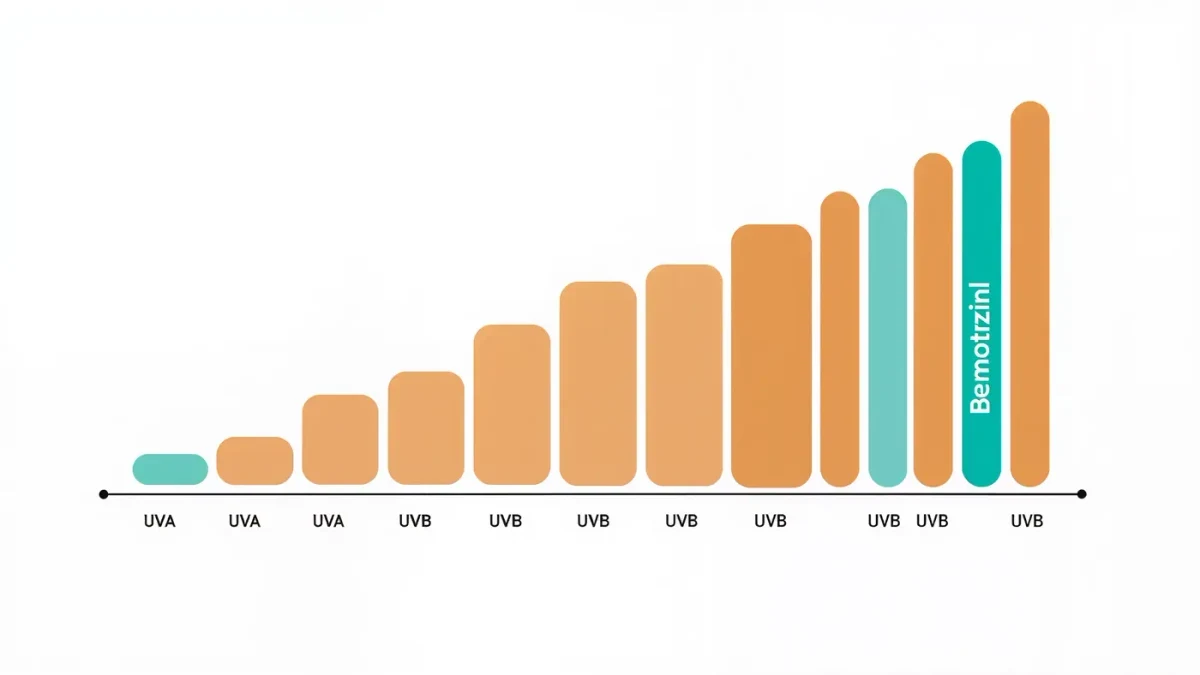
SPF measures protection against UVB, the burning wavelength. SPF 30 filters about 97 percent of UVB; SPF 50 filters about 98 percent — the difference is smaller than the numbers suggest. The American Academy of Dermatology advises broad-spectrum, water-resistant, SPF 30 or higher, because broad-spectrum labels indicate protection against UVA, the wavelength most tied to pigmentation and aging. The FDA requires broad-spectrum SPF 15 or higher on any product claiming to reduce skin cancer risk.
How much do you need to apply, and how often?
The trial results came from generous, daily application — and most people apply a quarter to half of the tested amount, which lowers real-world protection. The American Academy of Dermatology advises one ounce, a full shot glass, for the whole body, and about a nickel-sized dollop for the face, applied 15 minutes before going outside. Reapply every two hours outdoors, or after swimming or sweating. In the Australian trial, participants reapplied after the morning application; indoor days with brief exposure generally do not require midday reapplication for ordinary activity.
Do you need it on cloudy days or indoors?
Up to about 80 percent of UV rays pass through cloud cover, per the Skin Cancer Foundation's reporting on weather data, and UVA passes through window glass. That does not mean a windowless office day requires sunscreen — it means exposure is more constant than sunshine alone suggests. A practical rule many dermatologists use: if you will be outdoors when your shadow is shorter than you are, protection is worth the thirty seconds.
Mineral or chemical — does it matter?
Both filter UV effectively when used correctly. Mineral sunscreens use zinc oxide or titanium dioxide; chemical formulas use filters like avobenzone and oxybenzone. Trials showing aging and cancer benefits used chemical broad-spectrum products, but there is no head-to-head evidence that one category prevents more melanoma than the other. In 2019, the FDA proposed updated rules for sunscreen filters and noted that some chemical filters are absorbed into skin — with absorption data not meaning harm was shown. The FDA's own guidance remains that people should keep using sunscreen; if absorption worries you, zinc-based formulas sit on top of skin.
What sunscreen does not do
Sunscreen is one layer, not a shield. It does not replace shade, hats, or timing — the Nambour trial tested sunscreen alongside a community that still lived active outdoor lives. The CDC advises combining sunscreen with protective clothing and shade during peak hours. And no sunscreen blocks 100 percent of UV; the residual exposure still adds up over decades, which is why skin checks matter even for diligent users.
What about vitamin D?
Sunscreen does not meaningfully block vitamin D production in real-world use — randomized data from the Nambour trial found no difference in vitamin D levels between daily users and discretionary users over the study period, per the 2013 Annals of Internal Medicine reporting. If you are concerned about vitamin D, the safer route is food, fortified products, or a supplement discussed with your clinician — not deliberate unprotected exposure, which trades a modifiable benefit for a known cancer risk factor.
When to talk to a clinician
See a dermatologist if you notice a new or changing mole, a sore that does not heal, or a spot that itches, bleeds, or changes color. If a sunscreen stings or breaks you out, a dermatologist can help identify the filter or fragrance responsible rather than letting you abandon protection.
The bottom line
Daily broad-spectrum SPF 30 is one of the best-evidenced habits in skin care: a 2013 randomized trial in the Annals of Internal Medicine found 24 percent less skin aging with daily use, and 2011 follow-up data in the Journal of Clinical Oncology found roughly half the melanomas in daily users. Apply generously every morning, reapply outdoors, and treat it as the cheapest anti-aging product that also prevents cancer.