Wash your hair as often as your scalp needs it — not on a fixed schedule. Dermatology guidance, including hair-care advice published by the American Academy of Dermatology, ties shampoo frequency to how oily your scalp gets and how delicate your hair type is: an oily scalp may need washing up to once a day, while tightly coiled or chemically treated hair may look best washed every one to two weeks. No clinical trial has crowned one universal frequency, because the right one varies by person.
If you have significant hair shedding, flaking that will not resolve, or scalp pain, see a dermatologist — those are medical questions, not grooming ones.
Why does frequency vary so much between people?
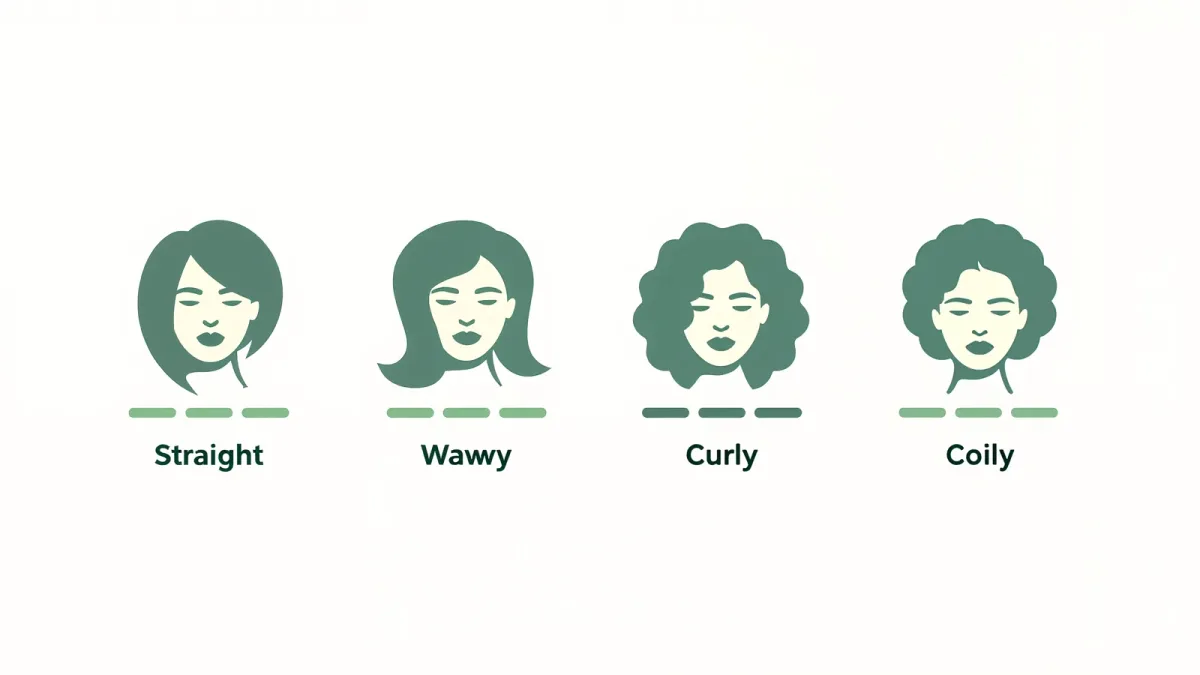
Shampoo exists to clean the scalp, and scalps differ. Sebaceous glands on your scalp produce sebum, the natural oil that protects hair but also makes it look greasy. How much sebum you produce depends on genetics, hormones, age, and even season — which is why two people with identical routines can have opposite results. Hair type changes the equation again: sebum travels down straight, fine hair easily, so it shows oil within a day or two, while the spiral structure of coily hair makes the same oil move slowly, letting lengths go dry long before the scalp does.
So what are the practical guidelines?
Per the American Academy of Dermatology's published hair-care guidance, a reasonable starting point by hair type:
- Oily scalp, fine straight hair: daily or every other day washing is reasonable.
- Normal scalp, medium texture: every two to four days, adjusted by feel.
- Dry or chemically treated hair: every four to seven days, with conditioning focused on lengths.
- Tightly coiled or textured hair: every one to two weeks, with the guidance noting that washing less often protects fragile strands — but the scalp still needs cleaning, and dirt and product buildup still matter.
These are starting points, not rules: sweat from workouts, heavy styling products, and pollution all push the dial toward more frequent washing.
Can washing every day damage your hair?
Modern shampoos are gentler than the harsh soap formulas of decades past, and for an oily scalp, daily washing is generally fine — dermatologists point out that leaving sebum, sweat, and product residue sitting on the scalp is not a health benefit. The real risk of over-washing is to the hair shaft, not the scalp: surfactants and hot water can strip the cuticle of protective oils, especially on hair that is already dry, bleached, or heat-styled. The compromise used by most dermatologists: wash the scalp thoroughly — shampoo is primarily for skin, not lengths — condition the ends, and let oiliness, not ideology, set the schedule.
Does hair 'get used to' less washing?
There is a popular claim that skipping shampoo 'trains' your scalp to produce less oil. The evidence for training is weak: sebum production is governed mainly by hormones and genetics, per standard dermatology texts, and no published trial has shown that washing frequency reprograms it. What people often notice is something else — hair that is less brittle and better conditioned once over-washing stops. That is a real effect of reduced stripping, not a changed scalp.
What about the 'no-poo' trend?
Washing with conditioner alone or plain water is a legitimate choice for very dry or coily hair, and dermatologists sometimes recommend low-lather approaches for fragile strands. The trade-off is buildup: sebum, dead skin cells, and styling residue accumulate on the scalp regardless, and heavy buildup can worsen seborrheic dermatitis and dandruff in people prone to them, per the American Academy of Dermatology's guidance on those conditions. If you go low-shampoo, a occasional gentle shampoo or a dermatologist-recommended cleanser keeps the scalp itself healthy.
Does washing frequency affect hair loss?
Washing does not cause permanent hair loss. People often panic at the hairs in the drain, but most of those are hairs that had already entered the shedding phase — daily loss of 50 to 100 hairs is normal, per the American Academy of Dermatology, and showering simply flushes out hairs that were leaving anyway. Skipping washes will not save them, and genetic pattern hair loss proceeds on its own timeline regardless of your shampoo habits.
A simple way to find your frequency
- Start with the guideline for your hair type above.
- Watch for two signals: flaking, itching, or grease by day two means wash sooner; brittleness, dullness, or breakage means stretch it out.
- Adjust one wash per week at a time, and give any change two to three weeks before judging it.
Workouts complicate the math. Sweat itself is not dirty, but leaving it to mix with sebum and product daily can irritate the scalp; rinsing with water or co-washing on gym days is a middle path many dermatologists suggest for delicate hair.
When to talk to a clinician
See a dermatologist for persistent dandruff that over-the-counter shampoos do not clear in a few weeks, sudden heavy shedding, bald patches, or a scalp that is painful, swollen, or crusted — these are treatable conditions, not hygiene failures.
The bottom line
There is no clinically proven universal wash schedule — dermatology guidance from the American Academy of Dermatology points to your scalp's oiliness and your hair's fragility instead, with daily washing reasonable for oily scalps and weekly intervals normal for coils. Let itch and grease pull you one way and breakage pull you the other, and when either is severe, that is a dermatologist conversation.