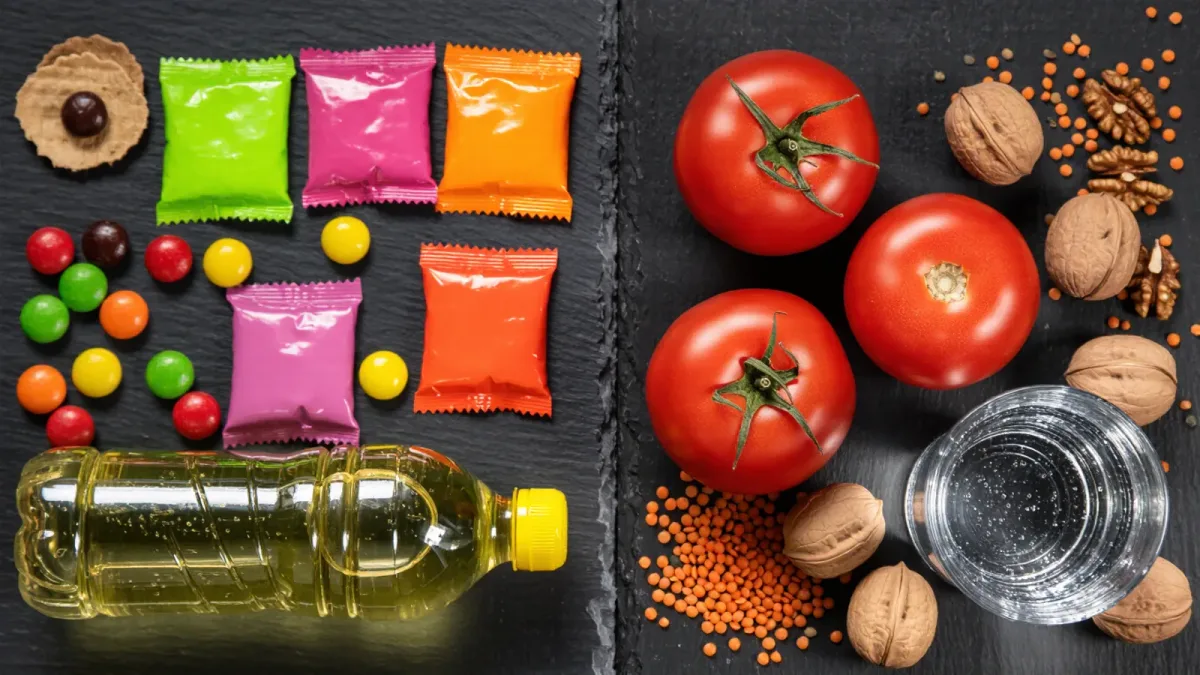
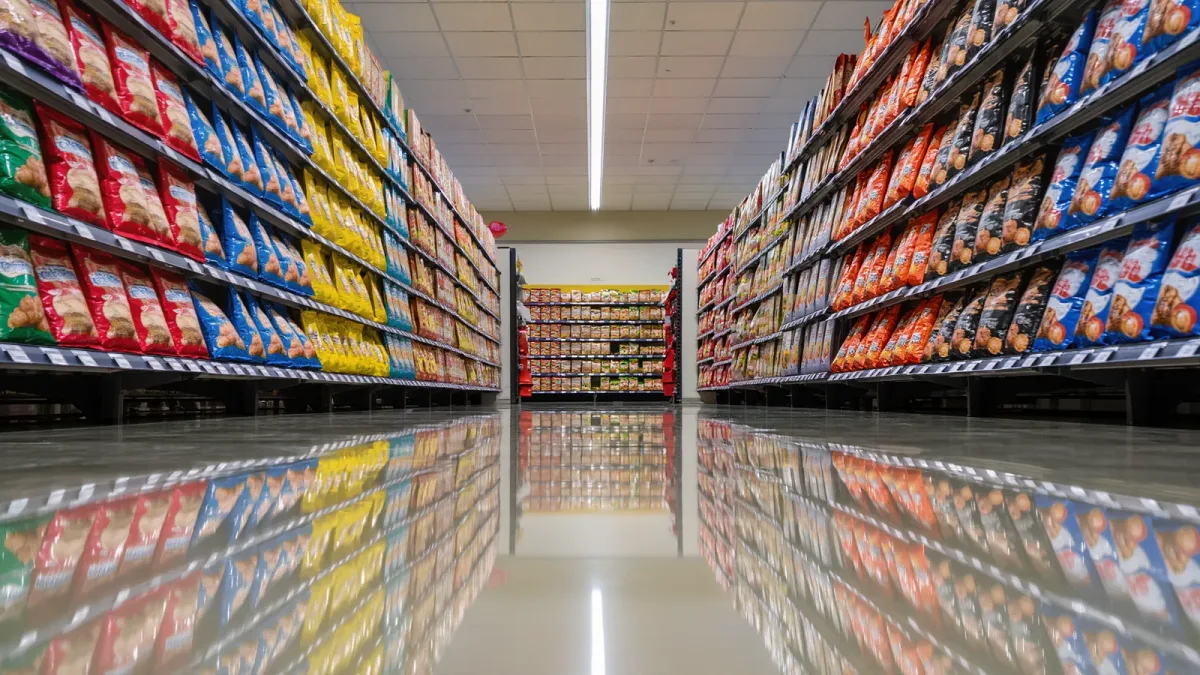
Ultra-processed food is a formal classification, not an insult: under the NOVA system developed by Brazilian researchers led by Carlos Monteiro at the University of São Paulo and first outlined in 2009, it is any industrial formulation made mostly or entirely from substances extracted from foods or synthesized in labs, such as hydrogenated oils, protein isolates, modified starches, emulsifiers, artificial colors, and flavorings. Per a 2016 analysis of national NHANES survey data published in BMJ Open, these products supply about 58 percent of the calories American adults eat.
This site publishes information, not medical or dietary advice. If you are trying to change how you eat for a medical reason, work those decisions out with a clinician or registered dietitian.
What are the four NOVA groups?
NOVA sorts foods by the extent and purpose of processing rather than by nutrients, per the framework Monteiro's group described in the journal Public Health Nutrition in 2010. The four groups:
- Group 1: Unprocessed or minimally processed foods. Fresh fruit, vegetables, eggs, plain meat and fish, milk, dried beans, and items preserved without much changing them, like frozen vegetables and plain yogurt.
- Group 2: Processed culinary ingredients. Oils, butter, sugar, salt, extracted from Group 1 foods and used in cooking.
- Group 3: Processed foods. Group 1 plus Group 2, preserved or transformed in simple ways: canned beans, canned fish, real bread with flour, water, salt, and yeast, cheese, salted nuts.
- Group 4: Ultra-processed foods. Industrial formulations using ingredients you would not find in a home kitchen, plus additives engineered to imitate the taste and texture of real food: soft drinks, packaged snacks, instant noodles, reconstituted meats, mass-produced packaged breads, most breakfast cereals, candy, flavored yogurts, protein bars.
The practical test NOVA researchers suggest: look at the ingredient list for substances a home cook would never buy, such as maltodextrin, soy protein isolate, or colorings, per the 2010 Public Health Nutrition paper.
Why does ultra-processing matter for health?
The concern is not one ingredient; it is the pattern. The strongest evidence to date is an umbrella review published in The BMJ in 2024, which pooled 45 meta-analyses covering nearly 10 million people and found consistent associations between higher ultra-processed food intake and higher risks of type 2 diabetes, cardiovascular disease, colorectal cancer, obesity, and adverse mental health outcomes. The BMJ authors themselves graded most of that evidence as low quality, and associations like these cannot prove that processing causes the harm.
Researchers have proposed several mechanisms that fit the data: these products are engineered to be easy to overeat, dense in calories, low in fiber, and high in sodium, added sugars, and refined fats. A frequently cited US National Institutes of Health inpatient trial by Kevin Hall and colleagues, published in Cell Metabolism in 2019, found people eating an ultra-processed diet unconsciously ate about 500 more calories per day than on a matched unprocessed diet.
Is the NOVA system controversial?
Yes, and a fair explainer says so. Some nutrition scientists, including a group led by Mike Gibney in a 2017 critical appraisal in The American Journal of Clinical Nutrition, argue that NOVA classifies foods by processing technique rather than nutrient content, which puts whole-grain packaged bread, flavored yogurt, and fortified cereals in the same category as soft drinks and candy. They point out that many ultra-processed products are fortified with vitamins and fiber, and that the classification says nothing about how much of a food you eat. NOVA defenders reply that the category works because the foods within it share the engineered properties that drive overeating.
The honest position: per the 2024 BMJ umbrella review itself, the associations are consistent enough to take seriously, while the classification system is imperfect and the causal story is still being tested.
Does any processing count as bad?
No, and this is the most common misunderstanding. Freezing vegetables, pasteurizing milk, canning tomatoes, and drying beans are minimal processing, and per the Dietary Guidelines for Americans 2020-2025, canned and frozen versions of produce can be nutritionally comparable to fresh. A can of beans in NOVA Group 3 sits in a different category from a bag of cheese-flavored chips in Group 4. Processing is a spectrum, not a binary.
How can you spot ultra-processed food?
Per the NOVA framework described in the 2010 Public Health Nutrition paper, these signals on a label point to Group 4:
- Ingredients that are isolates or refined substances: protein isolate, modified starch, hydrogenated oil, invert sugar, maltodextrin.
- Cosmetic additives: colors, flavor enhancers, artificial sweeteners, thickening and anti-caking agents.
- Health claims on a product with a long ingredient list of unpronounceable items.
A reasonable strategy built on this evidence is not to eliminate every Group 4 food, but to shift the balance: cook from Group 1 and Group 2 ingredients most nights, keep genuinely convenient processed foods like canned fish and plain frozen vegetables on hand, and treat ultra-processed products as occasional rather than default.
The bottom line
Ultra-processed food, as defined by the NOVA system published in 2009 and 2010, means industrial formulations built from substances rarely found in home kitchens, and they supply about 58 percent of US adult calories per a 2016 BMJ Open analysis. A 2024 BMJ umbrella review of nearly 10 million people found consistent links to type 2 diabetes, heart disease, and other outcomes, while acknowledging the evidence is largely low quality and the system itself has fair critics. The sensible next step is gradual: check ingredient lists for isolates and cosmetic additives, cook a few more unprocessed meals per week, and let a registered dietitian handle the details if you have a condition that depends on your diet.